Christmas Charm: A Designer's Review for Craft Fair Success
As I prepare my booth for the upcoming weekend craft fair, my table is covered in potential inventory: canvas tote bags, linen aprons, textured tea towels, and structured caps. In this high-stakes environment, every machine embroidery design I choose must earn its place. It needs to stop a scrolling customer in their tracks, look impeccable under harsh convention center lighting, and be practical enough to produce in batches without causing thread breaks or registration nightmares. Today, I am putting Christmas Charm through that exact real-world judgment process.
First Impressions and Market Mood
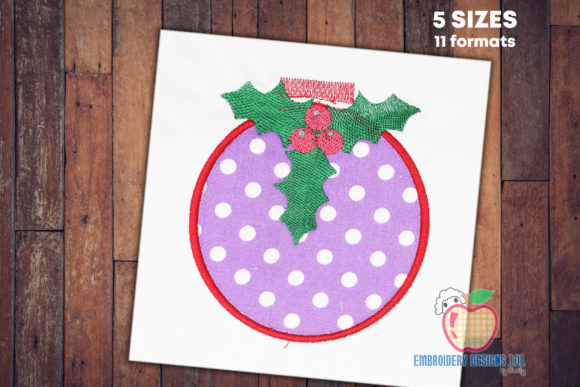
The title Christmas Charm immediately sets a specific expectation. It suggests something festive yet approachable, likely leaning towards a cute or decorative aesthetic rather than an overly formal or minimalist one. When evaluating a new digital embroidery file, the "vibe" is crucial because it dictates which products will sell. Based on the name, I envision this design working beautifully as a focal point on holiday gifts. It feels like the kind of motif that brings a sense of warmth and nostalgia, perfect for the handmade market where buyers are seeking unique, personal touches they cannot find in big-box stores.
For an Etsy seller or boutique maker, the visual appeal of Christmas Charm is the first hook. Does it photograph well? A design with clear lines and balanced spacing tends to translate better into printable mockups and online listings. If the design relies on subtle shading or extremely fine details, it might get lost in a thumbnail image. However, if it boasts bold shapes and distinct thread colors, it will pop on a social media feed, driving traffic to your shop before the customer even arrives at your physical booth.
Product Versatility and Placement Strategy
The true test of any embroidery file is its versatility across different substrates. Christmas Charm appears to be a strong contender for a variety of craft fair products. Here is how I see it performing on key items:
- Tote Bags and Market Bags: Canvas provides a stable base. Placing Christmas Charm centrally on a tote creates an instant statement piece. The sturdy fabric supports higher stitch density without puckering, making it ideal for a durable tote bag design that customers can use year after year.
- Apron Embroidery: Holiday hosting is huge in December. An apron featuring this design becomes a functional gift. The key here is placement; ensuring the design sits above the pocket or on the bib area ensures it remains visible even when the wearer is busy in the kitchen.
- Tea Towel Embroidery: Waffle weave or linen towels add texture. While charming, textured fabrics can be tricky. If Christmas Charm has small, intricate details, they might get swallowed by the fabric texture. This design works best here if the elements are slightly larger and the satin stitches are wide enough to bridge the gaps in the weave.
- Embroidered Patches: Creating iron-on or sew-on patches is a fantastic way to maximize a single design. If the file allows for a clean border or merrowed edge finish, Christmas Charm can become a low-cost, high-margin small shop product that appeals to younger buyers looking to customize their own gear.
- Caps and Pillow Covers: Curved surfaces like caps require careful hooping. If the design is too wide or has dense fill areas, it may distort on a curved brim. For pillow covers, the design acts as a seasonal home decor accent, adding immediate festive value to a basic cushion.
Production Realities and Technical Considerations
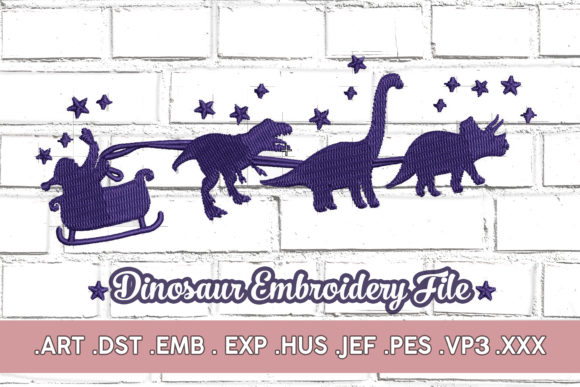
Before committing to a production run of fifty units, practical concerns must be addressed. The provided file formats—10O, ART, CND, DSB, DST, DSZ, EXP, HUS, JEF, PCS, PEC, PES, TAP, VIP, VP3, and XXX—indicate broad compatibility with most modern machines. This is excellent for commercial embroidery operations running multiple machine brands. However, format compatibility is just the starting line.
I always advise testing the design on scrap fabric first. You need to verify the hoop size requirements. If Christmas Charm requires a large hoop, it limits the types of hoops you can use on smaller machines or restricts placement on narrow items like hat fronts. Furthermore, inspect the stitch density. High-density fills look premium and solid but consume more thread and time. If the design is intended for thin fabrics like poly-cotton blends, excessive density can cause the fabric to pucker or the needle to perforate the material excessively.
Thread contrast is another critical factor. A design named Christmas Charm likely utilizes traditional reds, greens, golds, or whites. Ensure your thread inventory matches the digital preview. Sometimes, a specific shade of forest green in the file looks muddy when stitched with a standard rayon thread. Swatching colors against your intended fabric background—especially if using dark fabric—is essential to maintain clarity.
Careful-Use Notes for Specific Applications
While Christmas Charm shows great promise, there are scenarios where caution is required. Tiny details and small lettering, if present in the design, may lose clarity when scaled down for patches or small pouches. On thick fabrics like terry cloth towels, the needle penetration depth must be adjusted, or the design may sink into the pile. Additionally, when embroidering on curved cap surfaces, ensure the design does not have elements that extend too close to the edge of the hoop, as this can lead to framing issues.
If you plan to sell finished goods, always confirm the licensing terms associated with the design assets. Not all digital files allow for unlimited commercial sales of finished products. Checking this beforehand protects your business from legal complications down the road.
Maximizing Visual Appeal and Sales
Ultimately, the goal is buyer engagement. Christmas Charm has the potential to elevate the perceived value of a simple blank item into a premium handmade product. When displayed correctly on a booth table, perhaps grouped by color story or product type, it creates a cohesive brand image. Customers are drawn to items that look professional yet handmade; the slight texture of the thread adds a tactile quality that prints cannot replicate.
To maximize sales, create at least one real mockup of every product type you intend to offer. Photos of the actual stitched item on a hanger or folded neatly sell far better than digital composites. Show the back of the embroidery if the finishing is clean, as this demonstrates quality craftsmanship to discerning buyers.
In conclusion, Christmas Charm represents a solid investment for the holiday season. Its likely festive aesthetic, combined with wide format support, makes it a flexible tool for embroidery business owners. By paying attention to fabric texture, stabilizer choice, and strategic placement, you can transform this digital file into a best-selling component of your holiday collection. Whether it ends up on a cozy pillow or a stylish tote, this design has the character to stand out in a crowded marketplace.