Mixer Redwork: A Designer's Review for Boutique Sweatshirts
As an embroidery designer who has spent years refining digitizing techniques for small boutique brands, I approach every new machine embroidery design with a critical eye. It is not just about whether the file runs; it is about how the final stitch-out elevates a garment from a basic blank to a coveted piece of custom apparel. Recently, I evaluated the Mixer Redwork design for an upcoming limited drop of premium sweatshirts. This review breaks down why this specific pattern works exceptionally well for Etsy sellers, apparel decorators, and creative entrepreneurs looking to add a touch of culinary charm to their collections.
First Impressions: Mood and Aesthetic Personality
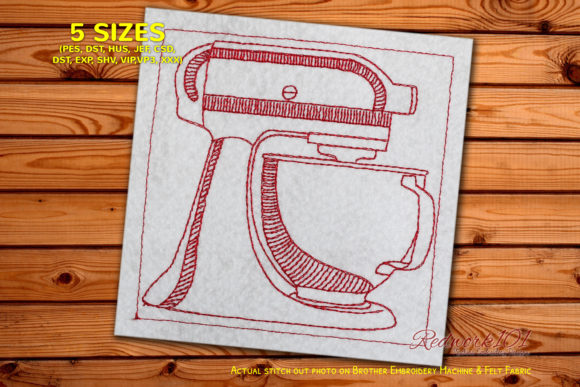
The moment I loaded the digital embroidery file for Mixer Redwork into my simulation software, the vibe was immediately clear. This is not a loud, overly complex graphic that screams for attention; rather, it exudes a rustic, cozy, and slightly playful energy perfect for the current trend of "cottage core" kitchen aesthetics. The term "Redwork" traditionally implies a single-color outline style, often associated with vintage quilting, and this design captures that nostalgic feel beautifully.
For a boutique brand, the mood is everything. Mixer Redwork feels handmade and authentic, which builds immediate buyer trust. When customers see a design that looks like it was crafted with care rather than mass-produced by a giant factory, they are willing to pay a higher price point. The layout is balanced, offering enough detail to be interesting without becoming a muddy mess when scaled down. It strikes a perfect balance between minimal and decorative, making it versatile enough for various demographics, from young home bakers to seasoned chefs who appreciate kitchen-themed art.
Fabric Compatibility and Color Strategy
One of the most exciting aspects of testing Mixer Redwork was seeing how it interacted with different fabric textures. We primarily tested this on heavy-weight, neutral French terry sweatshirts. On oatmeal or heather grey fabrics, the redwork style pops with a classic, high-contrast look that feels incredibly premium. However, do not limit yourself to light colors. On dark navy or charcoal hoodies, using a bright crimson or even a burnt orange thread transforms the design into a bold statement piece.
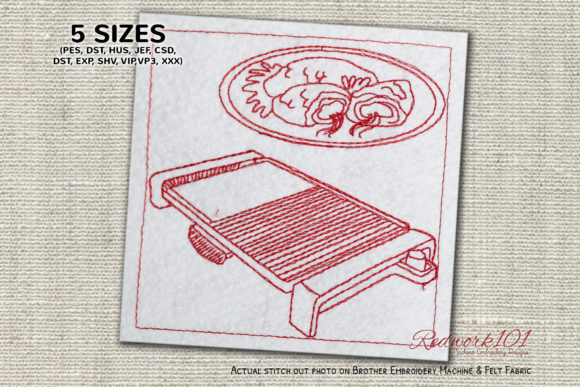
The product description notes that "The Box Stitch shown in picture is optional." This is a crucial detail for any professional decorator. In our testing, we found that skipping the outer box stitch allowed the mixer icon to breathe more on oversized hoodies, giving it a modern, floating appearance. Conversely, keeping the box frame adds a structured, badge-like quality that works wonderfully on chest placements or sleeve accents. Because the color of the outer box is often different in similar designs, the ability to skip this color directly in your machine software offers immense flexibility. You can match the frame to the garment for a tonal, subtle effect or contrast it sharply for visual impact.
For pastel-colored apparel, which is huge in the spring seasonal market, I recommend using a deep burgundy or forest green thread. This creates a sophisticated, earthy palette that appeals to customers looking for handmade product authenticity. The simplicity of the line work ensures that the thread colors remain distinct and vibrant, regardless of the background hue.
Technical Execution and Production Concerns
From a technical standpoint, working with Mixer Redwork requires attention to stitch density and stabilizer choice. Since this is likely a running stitch or satin column design typical of redwork styles, the density is generally lower than a fill-heavy logo. This is excellent for sweatshirt embroidery because it prevents the fabric from puckering or becoming stiff. Heavy fleece and french terry can be tricky; too many stitches, and the garment loses its drape. This design respects the fabric texture, allowing the sweatshirt to remain soft and wearable.
However, because the stitch count is inherently lower to maintain the redwork aesthetic, selecting the right stabilizer is non-negotiable. For commercial durability, I strongly suggest using a cut-away stabilizer rather than tear-away. Even though the design is simple, washing durability is paramount for a small shop product that needs to survive dozens of laundry cycles without losing its shape. A cut-away provides permanent support, ensuring those fine lines of the mixer do not distort over time.
Regarding hoop size and placement, this design is incredibly forgiving. It reads well even at smaller dimensions, making it ideal for left-chest logos or cuff details. However, before production, always check the specific file details provided by the seller regarding exact dimensions and formats. While the visual appeal is obvious, confirming the hoop size requirements ensures you do not run into alignment issues during a large production run. Small-size readability is generally strong here, but if you plan to shrink it below two inches, ensure your machine tension is perfectly calibrated to prevent thread breaks in the finer details.
Branding and Market Value
In the competitive world of Etsy listings and online boutiques, visual recognition is key. Mixer Redwork serves as an excellent asset for building a cohesive brand identity. Imagine a collection where this design appears on aprons, tea towels, and matching sweatshirts. This cross-category consistency strengthens customer engagement and encourages larger basket sizes. It tells a story of a lifestyle centered around cooking, comfort, and home.
Using this design in your printable mockup previews can significantly boost conversion rates. The clean lines photograph beautifully, especially in lifestyle shots featuring steam rising from a mug or flour dusted on a counter. It adds that "lived-in" charm that stock photos often lack. For commercial embroidery use, the design feels robust enough to stand alongside major retail brands while retaining the artisanal feel that justifies a boutique price tag.
Final Verdict for Designers
Mixer Redwork is a standout choice for anyone in the Kitchen or home goods niche looking to expand into apparel. Its versatility across different garment colors, combined with the optional framing feature, gives designers the creative freedom to customize each piece. It feels premium yet accessible, cute but not childish, and rustic without being outdated.
If you are preparing a seasonal drop or looking to refresh your catalog with something that resonates with the current love for home-centric hobbies, this embroidery file is a solid investment. Just remember to verify the specific technical specs like stitch count and license terms before hitting start on your machine. With the right thread selection and stabilizer backing, Mixer Redwork has the potential to become a signature element of your brand, driving sales and delighting customers who value quality finished product presentation.