Oyster Mushroom Bluework: A Craft Fair Best-Seller
As I spread out my samples on the folding table, preparing for another weekend of craft fairs and handmade markets, my eyes immediately drift to the Oyster Mushroom Bluework design. In the world of Food themed Embroidery, finding a motif that balances rustic charm with modern elegance is often a challenge, but this piece hits the sweet spot. When you are running a small shop or an Etsy store, every inch of fabric needs to work hard to convert a browser into a buyer. This design feels like it was made specifically for the current trend toward cottage-core aesthetics and sustainable living.
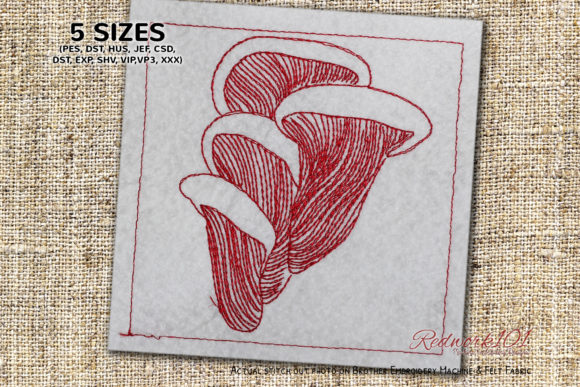
The first impression of Oyster Mushroom Bluework is undeniably soft yet striking. The use of bluework techniques gives it a vintage, hand-drawn quality that stands out against the sea of generic, overly bright digital designs we often see. It feels decorative and premium, perfect for boutique makers who want to elevate their brand consistency. Whether you are selling finished goods or digital embroidery file assets, the visual appeal here is strong. It whispers "farmhouse kitchen" while maintaining a clean, minimal line work that appeals to modern sensibilities.
Where This Design Shines on Products
In my experience setting up booth displays, placement is everything. The Oyster Mushroom Bluework performs exceptionally well as a focal point on larger items. Imagine a natural canvas tote bag design; the organic shape of the oyster mushroom clusters looks incredible centered on the front panel. It transforms a simple grocery carrier into a statement craft fair product. Similarly, for apron embroidery, this design adds a touch of whimsy that customers love. It suggests that the wearer enjoys cooking with fresh, earthy ingredients, creating an emotional connection before they even touch the fabric.
For smaller small shop product offerings, this design adapts beautifully. On linen tea towel embroidery, the blue threads pop against white or cream backgrounds, making it a top seller for holiday gifts or housewarming presents. I have also found success using scaled-down versions for embroidered patch applications on denim jackets or canvas caps. However, one must be careful with scale. While it works as a large focal design, shrinking it too much for a tiny pocket logo might cause the delicate gill details of the mushrooms to lose clarity. It is best suited for medium to large applications where the stitch definition can be appreciated.
Beyond physical goods, if you are a Etsy seller offering design assets, this file is a goldmine for printable mockup creation. The distinct shapes render beautifully in digital previews, helping potential buyers visualize the finished product instantly. For those involved in commercial embroidery, the repeatability of this pattern allows for efficient batch production without sacrificing the handmade feel.
Practical Production and Selling Points
From a production standpoint, the Oyster Mushroom Bluework is a joy to work with, provided you respect the nuances of the file. One of the biggest advantages is how easy the design is to understand at a glance. At a busy market, customers make split-second decisions. The recognizable silhouette of the oyster mushroom grabs attention immediately. It photographs incredibly well for online listings, as the texture of the stitches adds depth that flat prints cannot achieve.
However, there are critical "careful-use" notes to consider before you start hooping. The description mentions that "The Box Stitch shown in picture is optional." This is a vital detail. In most designs, the outer box is a different color unless it is part of the design itself. You can skip the color directly in your software if you prefer a borderless look, which often looks more organic on textured fabrics. If you choose to include the box, ensure your thread colors provide enough contrast against your fabric choice.
Be mindful of stitch density in the darker areas of the mushroom caps. On thick fabrics like heavy canvas or textured towels, high density can cause puckering if not managed correctly. Always use the right stabilizer; for stretchy fabrics or caps, a cut-away stabilizer is non-negotiable to maintain the shape of the mushrooms over time. Curved cap surfaces can also distort the design if the hoop tension isn't perfect, so test your setup rigorously.
Designer Notes for Success
Before committing to a full production run for your next event, follow these professional steps to ensure quality:
- Test on scrap fabric: Never run a new design on your final product first. Check how the Oyster Mushroom Bluework behaves on the specific material you intend to sell.
- Check thread contrast: Ensure the blue tones stand out clearly against your fabric color, especially if using navy or black textiles.
- Review spacing: Look closely at the gaps between the mushroom layers to ensure they don't fill in due to thread spread.
- Confirm hoop size: Verify that the design fits within your available hoop dimensions without needing excessive re-hooping, which can lead to misalignment.
- Inspect stitch density: If the design feels too stiff after stitching, consider reducing the density slightly in your editing software.
- Create a real mockup: Take photos of the actual stitched item, not just the digital preview, to show customers the true texture and quality.
- Compare fabric colors: See how the design looks on natural linen versus dyed cotton to determine your best-selling colorway.
- Confirm commercial licensing: Since the file notes optional elements, double-check the license terms regarding modifications and resale of finished goods.
It is important to note that specific technical details such as exact stitch count, specific file formats, or precise hoop size requirements are not explicitly provided in the brief description. The note regarding the optional box stitch implies flexibility, but you must check the accompanying documentation or file properties before production to avoid machine errors.
Ultimately, Oyster Mushroom Bluework affects your bottom line by enhancing buyer engagement. It signals that your brand values nature, detail, and quality. In a market saturated with mass-produced items, this level of thoughtful machine embroidery design sets your booth apart. It turns a simple handmade product into a conversation starter. Whether you are stitching onto pillow covers for home decor or creating unique market bags, this design offers the versatility and aesthetic punch needed to thrive in the competitive landscape of creative entrepreneurship. By paying attention to fabric texture and stabilization, you ensure that every piece leaving your table is a testament to your skill as a designer.