Bell New Year Bluework: A Designer's Review
As an embroidery designer who spends countless hours digitizing and stitching for clients, I approach every new download with a critical eye. When I stumbled upon Bell New Year Bluework in the Backgrounds category on Creative Fabrica, I was immediately drawn to its classic aesthetic. The promise of a traditional bluework style combined with a festive New Year theme suggested a versatile asset for my upcoming winter collection. However, finding a design online is one thing; trusting it with a paid customer order is entirely another. This review breaks down my evaluation of this machine embroidery design to help you decide if it fits your next handmade product or commercial project.
First Impressions and Visual Mood
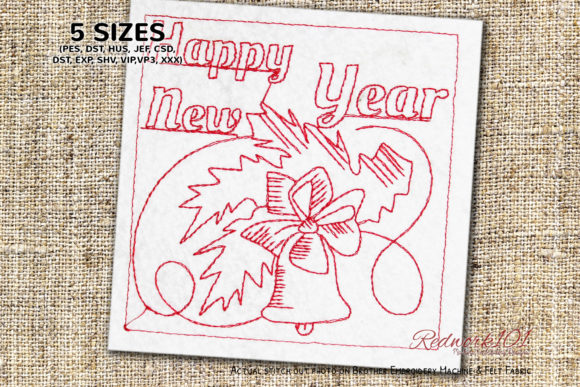
The initial visual impact of Bell New Year Bluework is one of understated elegance. Unlike many holiday designs that rely on flashy, multi-colored threads, this piece leans into the sophistication of monochromatic or limited-palette bluework. The design features a central bell motif, likely rendered with a mix of satin stitch for definition and fill stitch for body. The "bluework" designation implies a reliance on texture and stitch direction rather than color variation to create depth, which is a timeless look that never goes out of style.
What stands out most is the potential for this design to serve as a subtle background element or a standalone focal point. The description notes that "The Box Stitch shown in picture is optional," which immediately signals flexibility. For a designer, this is a green flag. It means the digitizer understands that we often need to adapt files to specific hoop sizes or garment constraints. The ability to skip the outer box color allows us to integrate the bell seamlessly into existing patterns or leave it floating on a textured fabric without a rigid border.
Real-World Application Scenarios
In my shop, versatility is king. I evaluated Bell New Year Bluework against several real-case scenarios to gauge its commercial viability:
- Custom Apparel: The clean lines of bluework make it ideal for sweatshirt embroidery. On a heather grey or navy fleece, the tonal stitching would add a sophisticated touch without looking like a cheap iron-on transfer.
- Home Decor: This design screams "kitchen towel" or "pillow cover." The durability of dense fill stitches holds up well to frequent washing, making it perfect for items that see daily use during the holiday season.
- Tote Bag Design: For canvas tote bags, the structural integrity of the bell motif would prevent puckering if paired with the correct stabilizer. It offers a chic alternative to loud, colorful holiday graphics.
- Nursery Decor: If the blue tones are soft enough, this could easily transition from a New Year theme to a general winter or baby boy theme, expanding its shelf life beyond January 1st.
For Etsy sellers and boutique owners, the key here is the "finished product" appeal. Customers are increasingly seeking handmade gifts that look professional yet artisanal. A bluework bell suggests a level of craftsmanship that justifies a higher price point compared to generic digital prints.
Technical Considerations for Embroiderers
While the aesthetic is promising, the technical execution is where a design lives or dies. Since specific stitch counts and exact hoop sizes were not provided in the brief description, I must advise caution. Before loading this embroidery file onto your machine, you need to verify the details on the Creative Fabrica product page.
Fabric and Stabilizer Choices
Bluework often relies on high stitch density to create shading effects. When working on stretchy fabrics like jersey knits for custom apparel, you must use a cut-away stabilizer to prevent distortion over time. For woven fabrics like linen tea towels or apron fronts, a tear-away might suffice, but always test on scrap fabric first. The density of the fill stitch in the bell area needs to be checked; if it is too dense, it can cause the fabric to pucker or the thread to break, especially on curved cap surfaces.
Hoop Size and Placement
The mention of an optional box stitch suggests there may be different size variations or layers within the file. Confirm the maximum hoop size required. If you are planning to embroider this on a cap, ensure the design fits within a standard cap frame (usually around 2.5 to 3 inches wide). Trying to force a large background design onto a small curved surface is a recipe for registration errors.
Thread Contrast and Color
The beauty of bluework lies in the interplay of light and shadow using thread colors. If you are stitching on dark fabric, you may need to adjust the thread palette to ensure the bell doesn't disappear. Conversely, on white fabric, varying shades of blue can create a stunning watercolor effect. Always run a test stitch-out to compare light and dark fabric mockups before committing to a full production run.
Enhancing Product Value and Brand Consistency
Using a cohesive design like Bell New Year Bluework can significantly boost buyer trust. When customers see consistent, high-quality stitching across your range of products—from embroidered patches to baby blankets—they perceive your brand as reliable and professional. This design asset allows for a unified look in your product photography. Imagine a flat lay featuring a tote bag, a matching pillow cover, and a kitchen towel, all adorned with the same elegant bell motif. This visual consistency drives customer engagement and encourages larger basket sizes.
Furthermore, because the design avoids trendy, fleeting colors, it offers longevity. You aren't just selling a "New Year" item; you are selling a piece of winter decor that feels classic. This extends the selling window for your handmade products and reduces the risk of unsold inventory after the holidays pass.
Final Verdict and Practical Tips
Bell New Year Bluework appears to be a strong contender for designers looking to add a touch of traditional elegance to their modern offerings. Its potential application across various mediums, from commercial embroidery products to personalized gifts, makes it a valuable addition to a digital library. However, success depends on due diligence.
Before you begin stitching, follow these essential steps:
- Verify File Details: Check the Creative Fabrica listing for specific file formats (PES, DST, EXP, etc.) to ensure compatibility with your machine.
- Review Licensing: Confirm the license terms regarding commercial use. Most Creative Fabrica embroidery designs allow for unlimited physical sales, but it is crucial to read the specific agreement for this product.
- Inspect Small Details: After your test run, inspect the satin stitch edges and the underlay. Look for any gaps or excessive pull that might affect the durability of the finished product.
- Optimize the Box: Take advantage of the optional box stitch feature. If your project requires a seamless look, program your machine to skip that color stop entirely.
In conclusion, if you are looking for a design that balances festive spirit with timeless style, this bluework bell is worth exploring. Just remember that the quality of the final output relies as much on your preparation—fabric choice, stabilizer, and testing—as it does on the digital embroidery file itself. Happy stitching!