Cute Froggie with Lotus Flower Redwork Review
As an embroidery designer who has spent countless weekends behind a craft fair booth, I know that the difference between a design that sits on the table and one that flies off the shelf often comes down to immediate visual impact. When I pulled up the Cute Froggie with Lotus Flower Redwork file to evaluate it for my upcoming market season, I was looking for more than just a cute image; I was looking for a versatile machine embroidery design that could anchor a cohesive product line. This review breaks down how this specific asset performs in the real world of handmade sales, from the initial stitch-out to the final transaction with a customer.
First Impressions and Market Appeal
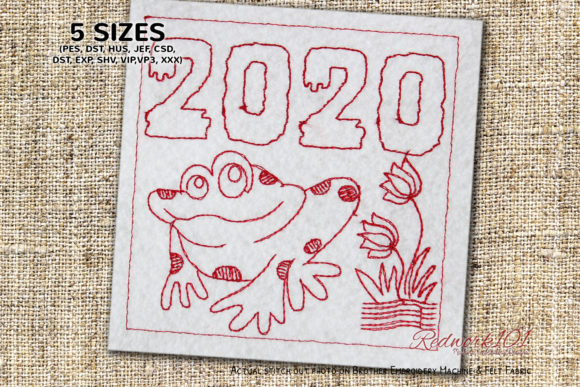
The moment you see the Cute Froggie with Lotus Flower Redwork, the vibe is unmistakably charming and approachable. The "redwork" style—typically utilizing a single thread color against a neutral background—lends itself perfectly to the current farmhouse and rustic aesthetic that dominates many boutique markets. It feels soft, minimal, and decorative without being overly complicated. While the product category lists it under Reptiles, the execution is far from scientific; it is whimsical and endearing, making it suitable for a much broader audience than just animal lovers.
For an Etsy seller or a physical booth owner, this design hits the sweet spot of being recognizable at a glance. Customers walking past a table do not have time to decipher complex details. The silhouette of the frog paired with the lotus flower creates a strong focal point. Whether you are aiming for a spring garden theme or a general nature-inspired collection, this design serves as a excellent foundation for a small shop product lineup that feels curated and thoughtful.
Product Versatility and Application
The true test of any digital embroidery file is its adaptability across different substrates. In preparing my booth display, I evaluated where the Cute Froggie with Lotus Flower Redwork would shine brightest.
- Tote Bags and Market Bags: This is arguably the strongest application. A large tote bag made of natural canvas provides the perfect high-contrast background for redwork. The design acts as a statement piece, turning a simple bag into a branded tote bag design that customers want to carry.
- Kitchen Linens: For tea towel embroidery or aprons, the simplicity of the frog ensures it doesn't get lost in the weave of the fabric. An apron embroidery featuring this motif appeals to gardeners and home cooks alike, adding a touch of personality to functional items.
- Patches and Pouches: Because redwork often involves open stitching rather than dense fill, this design translates beautifully to an embroidered patch. It can be stitched onto denim jackets, caps, or small fabric pouches, offering a low-cost entry point for buyers who aren't ready to purchase a large item.
- Home Decor: On pillow covers, the frog brings a sense of calm and nature indoors. It works well as a standalone motif in the center or as part of a corner accent.
The description notes that "The Box Stitch shown in picture is optional." This is a crucial detail for production flexibility. If you are stitching on a curved surface like a cap or a textured towel, skipping the box border can prevent distortion and make the design feel more organic to the finished product.
Production Practicality for Craft Fairs
When you are batch-producing inventory for a weekend event, efficiency is key. The Cute Froggie with Lotus Flower Redwork appears to be highly repeatable. Redwork designs generally have lower stitch density compared to full-fill logos, which means less thread consumption and faster run times. This allows you to produce more units in less time, a vital factor for maintaining healthy profit margins on craft fair products.
However, practical considerations must be addressed before you start your production run. Since this is a redwork style, thread colors become the primary driver of visual appeal. A classic deep red on cream fabric is timeless, but consider testing modern variations like sage green, navy, or terracotta to match current interior design trends. Always check the hoop size requirements; while the design looks compact, ensure your hoop accommodates the optional box if you choose to include it.
Critical Considerations for Fabric and Texture
Not all fabrics play nice with every design. Here are specific notes for executing this Embroidery asset effectively:
- Fabric Texture: Redwork relies on clean lines. Avoid highly textured towels or fuzzy fleece where the single-run stitches might sink in and lose definition. Smooth cotton, linen, or tight-weave canvas works best.
- Dark Fabric: If stitching on dark material, ensure you use a high-contrast thread. Otherwise, the delicate lines of the frog and lotus may vanish visually.
- Curved Surfaces: If applying this to caps, remember that the "box" mentioned in the description might distort on the front panel curve. It is often safer to skip the border for headwear to maintain the integrity of the frog's shape.
- Stabilizer Selection: Even with lower density, using the correct stabilizer is non-negotiable. For stretchy fabrics like t-shirts or tote bags, a cut-away stabilizer is recommended to prevent the design from puckering over time.
Visual Marketing and Brand Consistency
Beyond the physical stitching, the Cute Froggie with Lotus Flower Redwork is a powerful tool for digital marketing. For online listings, the clear lines of the design make it easy to photograph. It creates a crisp printable mockup that looks professional in Etsy thumbnails or Instagram posts. The simplicity of the image ensures it scales well, remaining clear even when viewed on a small mobile screen.
Using this design consistently across various design assets—from hang tags to social media graphics—helps build brand recognition. If a customer sees the frog on a tote bag, then notices it on a tea towel and a patch, they begin to associate that specific aesthetic with your brand. This consistency boosts perceived value and encourages multiple-item purchases.
Final Designer Notes and Licensing
Before committing to a large production run, always test the design on scrap fabric that matches your intended product material. Check the spacing between the frog and the lotus to ensure no bridging issues occur during stitching. Most importantly, verify the commercial licensing terms associated with this commercial embroidery file. The product description hints at optional elements and color variations, so confirm exactly what is permitted regarding modifications and resale of finished goods.
The description mentions checking details if specific file formats or exact stitch counts are not provided. As a professional, I advise downloading the preview and inspecting the stitch path in your editing software before purchasing or producing. Ensure the file format matches your machine's requirements to avoid last-minute conversion headaches.
In conclusion, the Cute Froggie with Lotus Flower Redwork is a standout choice for makers looking to add a touch of whimsical nature to their inventory. Its versatility across handmade products, combined with the efficiency of the redwork style, makes it a smart investment for both new and experienced embroidery business owners. With careful attention to fabric choice and thread contrast, this design has the potential to be a bestseller at your next market event.