Ice Snowflake: A Winter Embroidery Review for Craft Fairs
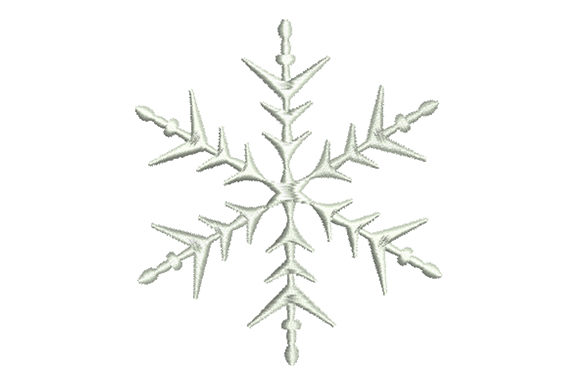
As an experienced embroidery designer preparing for the upcoming weekend craft fair circuit, I am constantly evaluating which digital embroidery file will give my booth the edge it needs during the holiday rush. This season, I am focusing heavily on winter decor that feels elegant yet accessible. After reviewing the Ice Snowflake design, categorized under Backgrounds and Embroidery, I have formed a clear strategy on how to integrate this piece into my product line. The description promises a "beautiful laced piece of ice" that works on any fabric, a bold claim that requires real-world testing before I commit to batch production.
First Impressions and Aesthetic Appeal
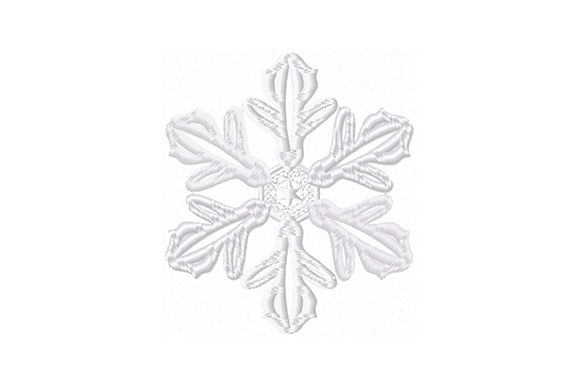
The moment I loaded the preview of Ice Snowflake, the immediate impression was one of delicate sophistication. Unlike some winter motifs that lean too heavily into cartoonish or overly rustic territory, this design strikes a balance between modern minimalism and traditional festive charm. The "laced" description suggests intricate detailing that mimics the natural complexity of frost patterns. For a handmade product lineup, this aesthetic is crucial; it elevates simple items into premium gifts without feeling cluttered.
In the context of a busy craft fair table, visual clarity is everything. Customers walking past a booth make split-second decisions. Ice Snowflake possesses the necessary contrast to stand out against various backdrops. Whether placed on a crisp white tote or a deep navy apron, the geometric nature of a snowflake ensures instant recognition. It feels decorative and soft, perfect for buyers looking for that touch of winter magic without the kitsch often associated with seasonal decor.
Strategic Product Applications
To maximize sales, I am mapping out exactly where this machine embroidery design will perform best. The versatility mentioned in the product description allows for a diverse range of craft fair products.
- Tote Bags and Market Bags: This is likely the strongest contender. A large-scale tote bag design featuring Ice Snowflake centered on a canvas bag creates an instant winter accessory. The open spaces in the lace-like pattern prevent the fabric from puckering, ensuring a professional finish.
- Kitchen Linens: For tea towel embroidery and aprons, this design shines as a focal point. An apron embroidery placed on the bib or lower corner adds a custom touch that appeals to home cooks preparing for holiday gatherings.
- Patches and Pouches: Creating an embroidered patch allows customers to add winter flair to existing jackets or hats. Small fabric pouches decorated with this motif make excellent stocking stuffers.
- Home Decor: Pillow covers are a natural fit. The symmetry of a snowflake translates beautifully to square formats, enhancing the finished product appeal for home decorators.
While the design is versatile, I am cautious about using it on caps. Curved surfaces can distort intricate lace patterns, potentially losing the clarity of the "ice" effect. However, for flat surfaces like towels and bags, it should perform exceptionally well.
Production Practicality and Batch Efficiency
For an Etsy seller or boutique maker, time is money. The viability of Ice Snowflake depends heavily on its production efficiency. A design that looks stunning but takes four hours to stitch is not sustainable for a high-volume event. Based on the visual complexity, I anticipate a moderate run time, but the key factor here is stitch density.
If the "laced" effect is achieved through low-density satin stitches or running stitches, it will be quick to produce and gentle on the fabric. However, if the designer relied on heavy fill stitches to create the ice look, it could lead to stiffness, especially on lighter fabrics like tea towels. Before committing to a full run, I must test the stitch density on scrap fabric identical to my final materials. This step confirms whether the design remains flexible and soft, which is critical for wearable items and kitchen linens.
Furthermore, the repeatability of the design is essential. Can I hoop multiple items at once? Does the design require frequent thread changes? If the thread colors are limited to whites, silvers, and light blues, I can streamline the production process by keeping those cones loaded, significantly speeding up the creation of my small shop product inventory.
Visual Marketing and Online Presence
Beyond the physical booth, the digital presence of these items is vital. Ice Snowflake photographs well due to its high-contrast nature against colored fabrics. For online listings, creating a high-quality printable mockup is the first step, but nothing beats photos of the actual finished product. The reflective quality of certain threads, like metallics or variegated whites, can capture light beautifully in photos, increasing click-through rates for Etsy listings.
When building design assets for social media, I plan to showcase the embroidery on dark fabrics to highlight the "ice" luminosity. This visual strategy helps potential customers visualize the product in their own homes, driving engagement and sales for both physical goods and commercial embroidery files if I choose to sell the digital version as well.
Critical Considerations and Careful Use
Despite its beauty, there are technical hurdles to consider. The description notes it works on "any kind of fabric," but as a professional, I know this requires nuance. On thick, textured towels, tiny details in the lacework might get lost or sink into the pile. In such cases, using a cut-away stabilizer is non-negotiable to maintain definition.
Additionally, working with dark fabric requires careful selection of thread colors. A standard white thread might look dull against black; opting for a bright white or even a subtle silver could enhance the "frozen" effect. If the design includes very small lettering or minute details, scaling it down for small pouches might result in a loss of clarity. It is always safer to keep the design at its intended size or larger to preserve the integrity of the ice pattern.
Designer's Checklist for Success
Before heading to the fair, I will adhere to a strict quality control protocol:
- Test on Scrap: Always stitch a sample on the exact fabric type intended for sale.
- Check Contrast: Ensure the thread stands out clearly against the chosen fabric color.
- Review Spacing: Verify that the lace elements do not merge together after washing.
- Confirm Hoop Size: Ensure the design fits within standard hoops to avoid re-hooping delays.
- Inspect Density: Make sure the back of the embroidery is clean and not overly bulky.
- Select Stabilizer: Match the stabilizer weight to the fabric texture for optimal support.
- Create Mockups: Produce at least one real sample for the display table to prove quality.
- Verify Licensing: Confirm commercial licensing terms before selling any finished goods.
It is important to note that specific technical details such as exact stitch count, available file formats, and precise hoop dimensions were not provided in the initial product snippet. Therefore, checking the download package for these specifics is a mandatory step before production begins. Assuming the file includes standard formats compatible with major machines, Ice Snowflake has the potential to be a standout item in my winter collection, offering a blend of elegance and practicality that resonates with holiday shoppers.