Reviewing 2020 Snowman Bluework for Winter Projects
As a designer who spends more time at the hoop than away from it, I approach every new machine embroidery design with a critical eye. It is not just about whether the image looks cute on a screen; it is about how that digital embroidery file translates into thread, fabric, and ultimately, a finished product that a customer will love or a client will wear proudly. Recently, I have been evaluating the 2020 Snowman Bluework for potential inclusion in my winter collection, and I want to share my practical insights on how this design performs in real-world scenarios.
First Impressions and Visual Personality
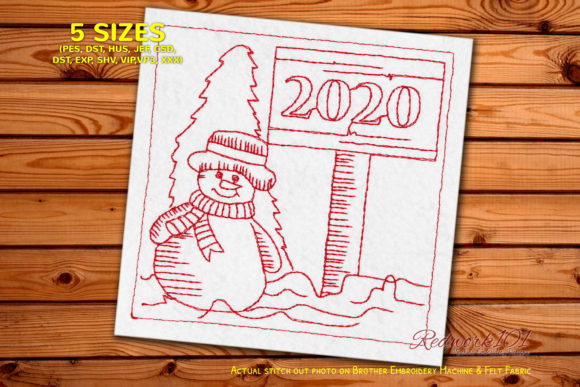
The moment you load the preview of 2020 Snowman Bluework, the mood is immediately set. There is a crisp, cool elegance to the bluework style that separates it from the typical multicolored holiday motifs we see every December. This design relies heavily on tonal variation rather than a rainbow palette, which gives it a sophisticated, almost vintage feel. The layout appears balanced, with a focus on clean lines and defined shapes that suggest a high level of stitch clarity.
For those of us running a craft business or an Etsy seller shop, visual personality is everything. This design does not scream for attention; instead, it invites a closer look. The "bluework" aesthetic implies a reliance on satin stitch borders and carefully planned fill stitch areas to create depth without overwhelming the fabric. It feels like a design that belongs on higher-end items rather than quick, disposable crafts. It naturally fits into categories like boutique branding, nursery decor, or personalized gifts where subtlety is valued over flashiness.
Real-World Application: The Tote Bag Test
To truly understand the value of an embroidery project, I mentally place it onto specific substrates. Let's imagine preparing a custom embroidered tote bag for a holiday gift market. Canvas tote bags are popular small shop products, but they can be tricky due to their weave and weight. The 2020 Snowman Bluework seems ideal here. The monochromatic or limited color scheme means I do not have to worry about clashing thread colors against a natural or dyed canvas background.
If I were stitching this onto a navy or charcoal tote, the blue tones would blend seamlessly, creating a textured, embossed look that feels premium. For a white or cream bag, the design would pop with classic contrast. The structure of the snowman suggests it would hold up well to the fabric texture of canvas, provided the right stabilizer is used. This versatility makes it a strong candidate for commercial embroidery runs where consistency across different bag colors is key.
Beyond tote bags, consider sweatshirt embroidery. A crewneck sweatshirt in heather grey is a staple item for winter. Applying 2020 Snowman Bluework to the left chest or as a larger back piece could elevate a basic garment into a boutique item. The design's likely density would provide enough coverage to look substantial without making the fabric stiff or uncomfortable against the skin.
Navigating Technical Challenges
While the design shows promise, a professional reviewer must also identify potential pitfalls. One note in the product description mentions that "The Box Stitch shown in picture is optional." This is a crucial detail for any embroidery designer. If the box is indeed a separate element or a frame, skipping it might alter the composition significantly. Before committing to a production run, I would strongly advise testing the design both with and without this border to see which version offers better visual balance.
Furthermore, the description hints that the outer box color varies unless it is part of the design itself. This variability requires careful attention when selecting thread colors. If you are aiming for a specific brand look, you cannot rely on the default machine settings. You must manually assign threads to ensure the "bluework" theme remains consistent across all your design assets.
There are also physical constraints to consider. If you plan to use this on stretchy fabric like a t-shirt or a baby onesie, the stitch density becomes a major factor. Dense designs can cause puckering on knits. While bluework often utilizes lighter fills, one must verify the underlay and density settings in the embroidery file. For baby embroidery, comfort is paramount; a heavy design might irritate sensitive skin. Similarly, placing this on curved surfaces like caps requires a design that is not too wide or complex in the center, as the curvature can distort the image.
Enhancing Product Value and Brand Consistency
In the world of handmade goods, trust is built through quality. A sloppy stitch job or a design that looks pixelated when enlarged can damage an Etsy seller's reputation. The 2020 Snowman Bluework appears to offer the kind of clarity that builds customer trust. When a buyer sees clean edges and smooth color transitions, they perceive higher value. This perception allows you to price your handmade product higher than a generic, mass-produced alternative.
Brand consistency is another area where this design shines. Because it leans towards a specific color story, it is easier to integrate into a cohesive winter collection. Whether you are selling aprons, pillow covers, or kitchen towels, using variations of this bluework theme creates a recognizable aesthetic. Customers begin to associate that specific look with your brand. This is particularly useful for creating printable mockups for your online store; the consistent color palette makes for stunning, unified photography.
Practical Notes for the Studio
Before you digitize or purchase this file for commercial use, here is my checklist for ensuring success:
- Test on Scrap Fabric: Never skip this step. Stitch the design on the exact same material you intend to sell. What looks good on polyester might behave differently on cotton flannel.
- Check Thread Contrast: Since this is a bluework design, ensure your thread shades have enough difference to define the details. If the tones are too close, the design will look muddy.
- Review Stitch Density: Inspect the back of the sample. Is there excessive buildup? If so, you may need to adjust your tension or switch to a lighter weight stabilizer.
- Confirm Hoop Size: Ensure the design fits your available hoops without needing to re-hoop, which can lead to alignment issues.
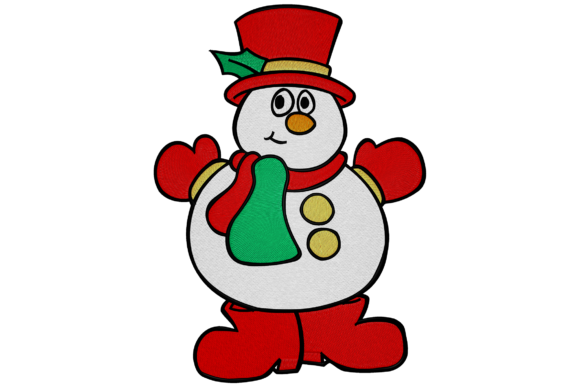
- Inspect Small Details: Look closely at the snowman's features. Are tiny elements like eyes or buttons distinct, or do they merge together?
- Mockup in Black and White: Sometimes viewing a design in grayscale helps you judge the contrast and form without the distraction of color.
- Verify Licensing: The description mentions optional elements and color variations. Confirm with the creator if modifying these elements affects the license terms for selling finished products or digital previews.
The 2020 Snowman Bluework represents a thoughtful choice for the discerning maker. It bridges the gap between festive fun and elegant design. By understanding its nuances regarding the optional box stitch, color management, and fabric compatibility, you can leverage this Winter themed asset to create standout custom apparel and gifts. Whether you are decorating a single embroidered patch or fulfilling a large order of holiday linens, this design has the potential to be a reliable staple in your creative arsenal, provided you approach it with the technical care it deserves.