Seahorse: A Craft Fair Seller's Review of This Ocean Embroidery
As an embroidery designer who has spent countless weekends behind a booth at local craft fairs, I know that the difference between a browsing customer and a buyer often comes down to one thing: visual impact. When I pulled up the Seahorse machine embroidery design to evaluate it for my upcoming market season, I wasn't just looking at stitches; I was imagining how it would look on a bustling display table surrounded by handmade goods. This design, categorized under Fish, immediately struck me as a versatile asset for any Etsy seller or boutique maker looking to capture the coastal, whimsical, or nature-loving demographic.
First Impressions and Market Appeal
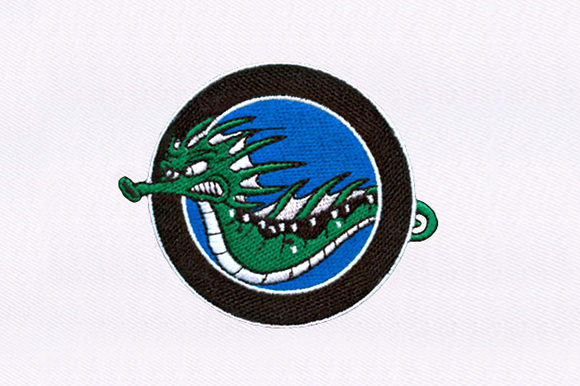
The first thing you notice about Seahorse is its potential for broad appeal. In the world of handmade product sales, designs that feel both decorative and approachable tend to perform best. This design doesn't scream "nautical theme park"; instead, it offers a refined take on marine life that feels suitable for a modern farmhouse kitchen or a chic beach bag. The dimensions are critical here: with a width of 3.77 inches and a height of 3.23 inches, it fits perfectly within a standard 4×4 hoop. This size is the sweet spot for a craft fair product. It is large enough to be seen from three feet away—a crucial factor when customers are walking past your table—but small enough to remain delicate on finer fabrics.
For a small shop product line, versatility is king. Seahorse feels like it could easily transition from a cute accent on a child's backpack to a sophisticated focal point on a linen tote. The aesthetic leans towards soft and organic, which aligns perfectly with current trends in home decor and personal accessories. If you are building a brand around ocean conservation, coastal living, or simply high-quality Embroidery art, this design provides a strong foundation for brand consistency.
Product Applications for Maximum Sales
When planning my booth inventory, I mentally placed Seahorse on several key items to gauge its selling power. Here is how I see it performing across different mediums:
- Tote Bags and Market Bags: This is likely the strongest contender. A canvas tote with Seahorse centered on the front becomes an instant statement piece. The 3.77-inch width allows the design to breathe without getting lost in the fabric weave. For an Etsy seller, this is a prime candidate for a best-selling listing.
- Apron Embroidery: Placed on the bib of a kitchen apron, this design adds a touch of whimsy that appeals to home cooks. It transforms a utilitarian item into a handmade gift worth paying extra for.
- Tea Towel Embroidery: Kitchen textiles are huge at markets. However, care must be taken with fabric texture. On a waffle weave or thick linen, the details need to pop. Seahorse works well here, provided the thread contrast is high against the towel color.
- Embroidered Patches: Creating iron-on or sew-on patches is a fantastic way to utilize this digital embroidery file. Patches are low-cost to produce and high-margin to sell, making them perfect impulse buys at a checkout counter.
- Caps and Hats: While possible, the curved surface of a cap requires careful hooping. The design fits the 4×4 constraint, but you must ensure the stitch density doesn't cause puckering on the structured front panel.
- Pillow Covers: For home decor booths, a throw pillow featuring Seahorse can anchor a whole display. It suggests a completed room look, helping customers visualize the product in their own homes.
Production Realities and Technical Considerations
Turning a digital embroidery file into a profitable finished product requires more than just hitting "start" on the machine. With 19,073 stitches packed into a roughly 4-inch area, Seahorse has a moderate-to-high stitch count relative to its size. This indicates a decent level of detail, which is great for visual appeal but demands attention during production.
Stitch Density and Fabric Choice: Because the design is relatively dense, it may struggle on very thin or stretchy fabrics without proper stabilization. If you are embroidering on a lightweight rayon blouse, you risk the fabric pulling or the design sinking in. I strongly recommend using a cut-away stabilizer for garments that will be washed frequently, and a tear-away for stable home decor items like pillow covers. Always test the design on scrap fabric first. What looks good on the screen might behave differently on a textured terry cloth towel versus a smooth cotton canvas.
Thread Colors and Contrast: The success of Seahorse relies heavily on your thread choices. Since marine life often involves subtle gradients, ensure your thread colors have enough contrast to define the shape. If you stitch dark blue on black navy fabric, the design will vanish. For a craft fair setting, high-contrast combinations (like coral thread on white fabric or gold on navy) grab attention faster. Remember, customers make split-second decisions; if they can't identify the image at a glance, they keep walking.
Photography and Online Listings
For those of us selling online, the printable mockup phase is where the sale is often won or lost. Seahorse photographs beautifully because of its distinct silhouette. When creating listings, avoid flat-lay photos that make the embroidery look like a sticker. Instead, show the texture. Zoom in on the stitches to prove the quality of your commercial embroidery. Show the design on a person wearing the tote or holding the mug to provide scale. Since the file formats include industry standards like PES, DST, and JEF, you have the flexibility to resize or edit slightly if your software allows, but always respect the original integrity of the design assets.
Final Verdict for the Creative Entrepreneur
In the competitive landscape of craft fairs and online handmade markets, Seahorse stands out as a reliable, high-potential design. It bridges the gap between niche nautical themes and general nature appreciation. Its 4×4 hoop compatibility makes it efficient for batch production, allowing you to hoop multiple items or run machines overnight to prepare for a weekend rush.
However, success lies in the execution. Do not skip the step of checking the specific license terms included with your purchase. While this review assumes standard commercial use for finished goods, every designer has different rules regarding the resale of the embroidery file itself versus the physical item. Confirm these details before listing your products.
Ultimately, Seahorse is more than just a pattern of threads; it is a tool for storytelling. Whether it ends up on a beach bag, a nursery pillow, or a gourmet apron, it adds a layer of handmade quality that mass-produced prints simply cannot match. By paying attention to fabric texture, stabilizer choice, and presentation, you can turn this single design into a cornerstone of your seasonal collection.