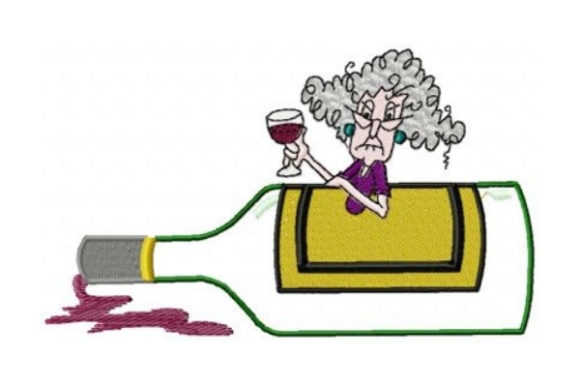
Stella Wine: A Pro Review for Branded Merch
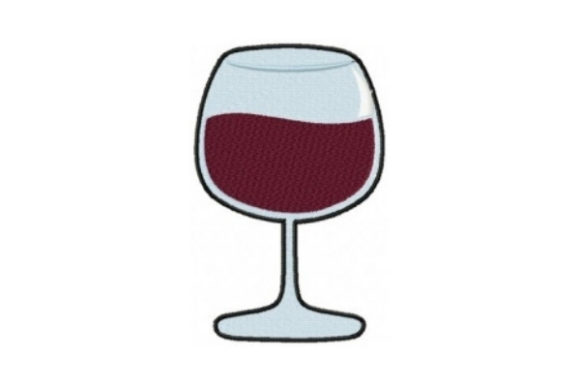
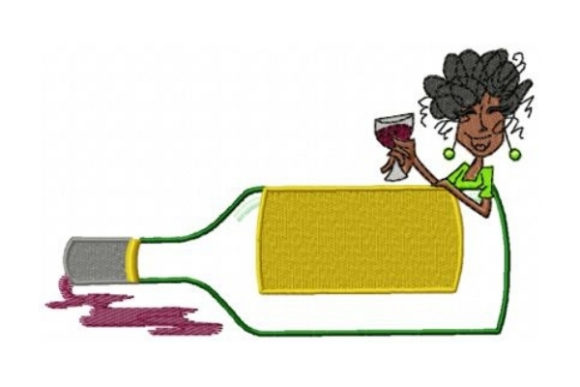
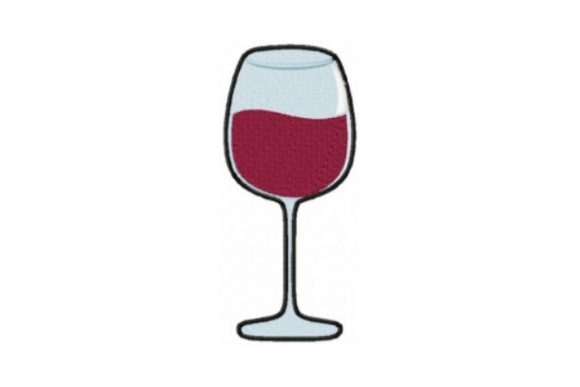
As an embroidery designer who has spent years digitizing and stitching for small businesses, I approach every new machine embroidery design with a critical eye. It is not just about whether a pattern looks cute on a screen; it is about how that digital embroidery file translates into a tangible asset for a brand. Today, I am reviewing Stella Wine, a design pitched as a fun option for wine lovers, to see if it holds up under the rigorous demands of commercial embroidery and small business merchandising.
My first impression of Stella Wine is that it strikes a balance between playful and approachable. The description suggests a versatile aesthetic that works well on various fabrics, which is promising for diverse applications. For a boutique owner or a café manager looking to elevate their staff uniforms or create retail items, the "fun" factor is crucial. It signals a brand personality that is friendly and inviting rather than overly corporate or stiff. However, in the world of custom apparel, "fun" must never come at the expense of professionalism. The design needs to maintain its integrity when scaled down for a chest logo or stretched across a curved cap front.
Real-World Application for Small Business Brands
Let's imagine a local winery, a cozy bistro, or a handmade gift shop wanting to expand their product line. Stella Wine fits naturally into several key categories of small business merch. First, consider the embroidered patch. Patches are currently trending as a way to add removable branding to denim jackets, tote bags, or aprons without committing to permanent stitching on expensive garments. If Stella Wine has clean outlines and defined shapes, it could serve as an excellent collectible patch for customers to buy and apply themselves, creating an additional revenue stream.
For staff uniforms, this design shines as an apron embroidery accent. In a hospitality setting, a subtle wine-themed motif on the bib of an apron adds character without overwhelming the viewer. It acts as a conversation starter, reinforcing the establishment's theme. Similarly, for cap embroidery, the design would need to be simplified to fit the limited space of a structured front panel. If the original file includes multiple sizes, selecting the smallest version for a hat and a larger one for a tote bag is essential for visual consistency.
Speaking of bags, a tote bag design featuring Stella Wine is a no-brainer for retail environments. Tote bags are walking billboards. When a customer carries a bag with a high-quality embroidered logo, it elevates the perceived value of the handmade product inside. The texture of the thread against canvas or cotton creates a premium feel that printed ink simply cannot match. This tactile quality is vital for building brand identity and fostering customer trust.
Navigating Technical Challenges in Production
While the aesthetic potential is high, a professional review must address the technical hurdles. The description notes that the design comes with multiple options, but it does not specify stitch counts or exact dimensions. This is where caution is required. When working with commercial embroidery, stitch density is a make-or-break factor. If Stella Wine is too dense, it can cause puckering on lightweight fabrics like poly-cotton blends often used for work shirts. Conversely, if the density is too low, the fabric might show through, making the design look cheap.
Small business owners must also consider fabric texture. Embroidering on a rough linen tote requires different tension settings than stitching on a smooth polo shirt. Before running a full production batch, it is imperative to test the embroidery file on the actual material you intend to use. Pay close attention to tiny lettering or intricate details within the wine motif. On a small scale, fine lines can merge together, turning legible text into an unreadable blob. This is particularly important for cap embroidery, where the curvature of the hat can distort the design if the underlay and pull compensation are not optimized.
Another critical consideration is color contrast. While the design may look vibrant on a white background in a preview, how does it perform on dark uniforms? A navy blue staff shirt is common in hospitality. You must ensure that the thread colors selected for Stella Wine pop against darker backgrounds. Sometimes, adding a satin border or adjusting the fill angles can improve visibility and definition on dark fabrics.
Enhancing Brand Identity and Customer Engagement
Ultimately, the goal of using Stella Wine is to strengthen your brand identity. Consistency is key. If your brand is known for being rustic and artisanal, this design should be stitched using earthy thread tones on natural fibers. If your brand is modern and chic, high-sheen rayon threads on sleek black fabric might be more appropriate. The finished product serves as a physical representation of your business values. A sloppy, puckered embroidery job can damage customer trust, implying a lack of attention to detail in your core products as well.
Furthermore, branded merchandise acts as a powerful marketing tool. When a customer wears a hat or carries a bag featuring Stella Wine, they become brand ambassadors. The durability of embroidery ensures that your logo lasts through countless washes, providing long-term exposure compared to vinyl or screen printing which may crack or fade. This longevity increases the product value in the eyes of the consumer, justifying a higher price point for your merch.
Essential Designer Notes for Implementation
Before you commit to purchasing or producing with Stella Wine, follow these practical steps to ensure success:
- Test in Black and White: Print a grayscale version of the design to check contrast and readability without the distraction of color.
- Verify Scalability: Confirm that the design remains clear when resized for small patches versus large back prints.
- Check Thread Contrast: Ensure your chosen thread palette stands out against your specific uniform or product fabric.
- Inspect Spacing: Look for areas where stitches might crowd each other, especially in detailed sections of the wine motif.
- Confirm Hoop Size: Although the description mentions versatility, verify that the largest version fits within your machine's maximum hoop size.
- Test on Real Fabric: Always run a sample stitch-out on the exact material you will be using for production.
- Use Proper Stabilizer: Select the right stabilizer (cut-away for stretchy knits, tear-away for wovens) to prevent distortion.
- Create a Printable Mockup: Generate a printable mockup to show clients or stakeholders exactly how the finished product will look before stitching begins.
- Compare Design Assets: Place Stella Wine alongside your existing logos to ensure visual harmony across all design assets.
- Review Licensing: Crucially, confirm the commercial licensing terms. Ensure you have the rights to use this digital embroidery file for goods you intend to sell.
In conclusion, Stella Wine offers significant potential for small businesses in the food, beverage, and lifestyle sectors. Its adaptable nature makes it suitable for everything from staff aprons to retail tote bags. However, its success relies entirely on proper execution. By respecting the technical limitations of embroidery machines, choosing the right materials, and adhering to strict quality control measures, you can transform this fun design into a powerful tool for brand growth. Remember, in the competitive landscape of handmade and custom goods, the quality of your embellishment often dictates the perceived quality of your entire brand.