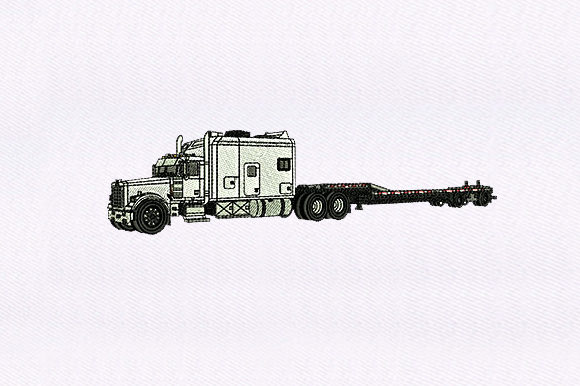
Trailer Truck Embroidery Design: A Pro Review
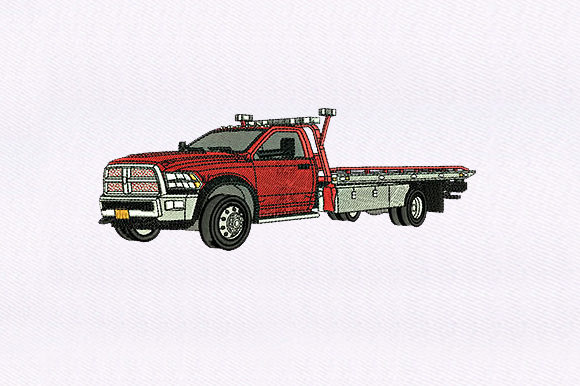
When I first pulled up the Trailer Truck machine embroidery design on my screen, I didn't just see a vehicle; I saw a specific kind of customer. This isn't a generic clip-art style graphic. It has a distinct visual personality that leans heavily into the "road warrior" aesthetic, making it an immediate contender for custom apparel and boutique merchandise. As a designer who spends more time under a magnifying lamp than I do sleeping, my first instinct is always to look past the thumbnail and imagine the thread hitting the fabric. With a width of 8.00 inches and a height of just 2.14 inches, this layout screams "sleeve statement" or "chest pocket accent." It is a long, horizontal composition that demands to be treated differently than a standard square logo.
The Visual Impact and Layout Dynamics
The mood created by Trailer Truck is rugged yet approachable. In the world of Transportation themed Embroidery, it is easy to fall into the trap of overly complex details that turn into a muddy mess once stitched out. However, reviewing the stitch count of 22,555 against the dimensions, the density seems well-calibrated for a design of this scale. It suggests a solid fill structure without being so dense that it creates a cardboard-like stiffness on the finished product. The elongated shape is its greatest asset. Most embroidery files are square or circular, which limits placement options. This design, however, fits perfectly along the seam of a tote bag, across the yoke of a denim jacket, or as a dynamic element on a baseball cap visor (provided your machine can handle the framing).
For an Etsy seller or small shop owner, the visual appeal here translates directly to perceived value. A wide, panoramic design looks intentional and high-end, whereas a small, cramped logo can sometimes feel like an afterthought. The Trailer Truck offers enough surface area to showcase thread color transitions effectively, allowing you to play with metallic threads for the chrome details or textured variegated threads for the trailer body to add depth.
Real-World Application: The Custom Tote Scenario
Let's walk through a real-life scenario where this design shines. Imagine a client runs a local logistics company or a family-owned moving business. They need branded merchandise that doesn't look like cheap promotional swag. You decide to produce a run of heavy-duty canvas tote bag designs. Because the Trailer Truck spans 8 inches horizontally, it sits beautifully across the lower third of a standard tote bag.
In this application, the 6x10 hoop size is ideal. You aren't fighting with tiny 4x4 hoops that require excessive re-hooping or awkward positioning. The stabilizer requirements for a canvas tote are minimal, but for a professional finish, I would still recommend a medium-weight cut-away stabilizer to prevent the long horizontal stitches from puckering over time. When the customer sees the finished product, the clarity of the wheels and the cab structure reinforces their brand identity. It feels substantial. It feels like a handmade product rather than a heat-transfer vinyl decal that will peel after three washes.
Beyond corporate branding, consider the personalized gift market. A grandparent who loves long-haul trucking would appreciate this on a sweatshirt. For sweatshirt embroidery, the stretch of the fleece requires careful attention. Since the design is relatively wide, using a water-soluble topper is crucial to prevent the stitches from sinking into the nap of the fabric. If you skip this step, the definition of the truck's features might get lost, turning your crisp digital embroidery file into a fuzzy blob.
Technical Considerations for the Maker
While the Trailer Truck is versatile, it is not without its technical challenges. The aspect ratio is extreme—nearly four times wider than it is tall. This means that if you attempt to place it on a curved surface like a structured cap, you must ensure your hoop setup allows for that width without the frame hitting the arm of the machine. Furthermore, the ends of the design (the front bumper and the rear of the trailer) are potential weak points for pull-apart if stitched on highly stretchy fabrics like jersey knit t-shirts without proper stabilization.
Thread color contrast is another critical factor. With 22,555 stitches, there is ample opportunity for color blending, but you must verify that your chosen palette provides enough separation between the cab, the trailer, and the background fabric. If you are stitching this onto a dark navy work shirt, ensure the design includes enough light-colored satin or fill stitches to pop. Conversely, on a white apron, you might want to outline key features with a slightly darker thread to maintain definition. Always test your embroidery file on a scrap piece of the actual fabric you intend to use. Do not rely solely on the screen preview.
Careful Placement and Fabric Selection
There are situations where you should proceed with caution. Avoid using this design on very thin, silky fabrics unless you are an experienced digitizer capable of modifying the underlay. The stitch density, while appropriate for the size, could cause gathering on delicate materials. Additionally, be mindful of "detailed corners." In a long design, the start and stop points are far apart. Ensure your machine's tension is dialed in perfectly, as long runs of stitching can sometimes reveal tension inconsistencies that shorter designs hide.
If you are creating an embroidered patch, this design is a strong candidate. The rectangular footprint makes it easy to cut and merrow edge. However, remember that patches require a higher stitch density to hold their shape when cut. You may need to add a border or increase the fill density if you plan to sell these as standalone items.
Commercial Viability and Brand Consistency
For the craft business owner, consistency is key to building trust. The Trailer Truck delivers a professional look that enhances buyer engagement. Whether you are selling custom apparel for a niche hobby group or creating holiday embroidery gifts for trucker families, the quality of the stitch-out reflects directly on your brand. A clean, well-executed design fosters customer loyalty. People return to sellers whose products look durable and thoughtfully made.
Before listing this as a small shop product or including it in your design assets portfolio, double-check the licensing terms provided with the download. While the file formats listed (including DST, PES, EXP, and others) suggest broad machine compatibility, commercial rights vary by designer. Ensure you are cleared to sell the finished product physically. If you are selling digital mockups or printable previews, verify that the license allows for such representation.
In conclusion, the Trailer Truck is a robust, practical addition to any embroidery library. It solves the common problem of finding high-quality, wide-format designs that fit modern fashion trends. By respecting the technical requirements regarding stabilizers and fabric types, you can transform this machine embroidery design into a standout feature on everything from nursery decor to heavy-duty workwear. It is a design that rewards preparation and punishes shortcuts, making it a perfect tool for the serious maker who values quality over speed.