Whitefly Bug Embroidery Review: A Designer's Take
As an embroidery designer who spends countless hours digitizing and stitching out designs for clients, I am always on the lookout for high-quality machine embroidery design files that can elevate my finished products. Recently, I came across the Whitefly Bug listing on Creative Fabrica. With a growing demand for nature-inspired motifs in boutique apparel and home decor, I decided to evaluate this specific file to see if it holds up under the scrutiny of real-world commercial use. This review is written from the perspective of a practitioner looking to integrate new assets into a professional workflow, focusing on stitch quality, versatility, and potential application.
First Impressions and Visual Mood
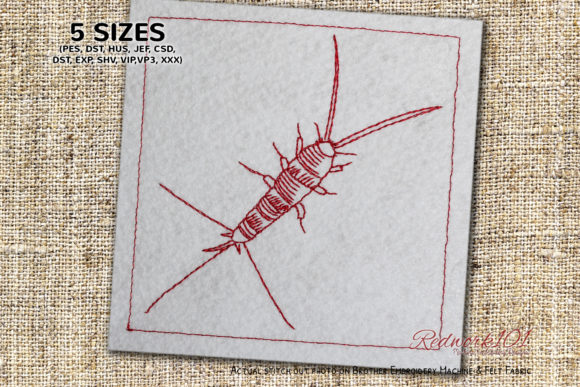
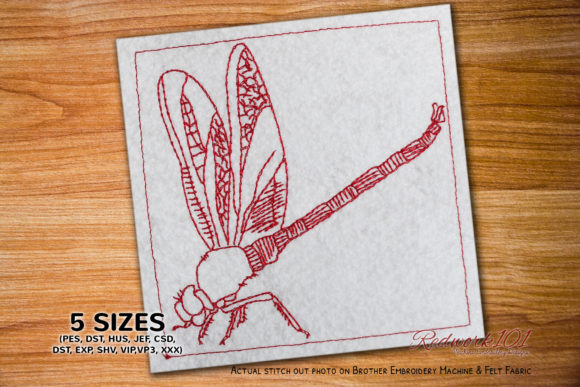
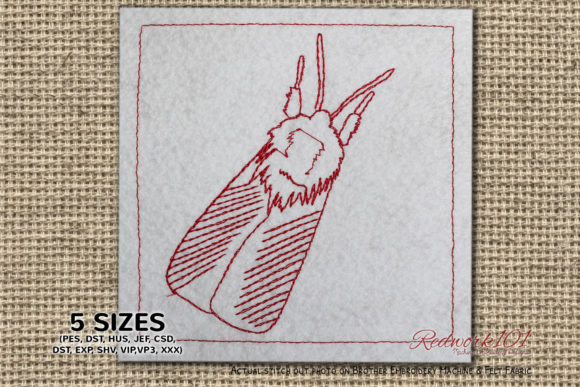
Upon opening the preview images for Whitefly Bug, the immediate impression is one of delicate intricacy. Unlike some bug-themed designs that lean towards cartoonish or overly aggressive aesthetics, this piece carries a more naturalistic and decorative mood. The line work suggests a balance between definition and flow, which is crucial when translating a digital image into thread. For designers working in the Bugs category, finding a motif that feels organic rather than clip-art-like is often a challenge. This design appears to bridge that gap, offering a silhouette that could easily transition from a whimsical garden theme to a sophisticated botanical collection.
The description notes that "The Box Stitch shown in picture is optional," which immediately signals flexibility. In my experience, optional borders or framing elements are a huge plus. They allow us to adapt the embroidery file to different hoop sizes or product constraints without needing to re-digitize the core image. The ability to skip the outer box color directly in the machine settings gives the user control over the final look, whether they want a framed patch aesthetic or a floating motif on a garment.
Real-World Application Scenarios
When considering where to place Whitefly Bug in a production lineup, several opportunities come to mind. For custom apparel, this design would shine on lightweight fabrics like linen shirts or cotton tees where fine details can be appreciated. It is small enough to work as a chest pocket accent on a denim jacket or as a subtle detail on a cuff. For those running an Etsy shop specializing in handmade product lines, this motif fits perfectly into a "garden party" or "summer picnic" collection.
I also see strong potential for tote bag design projects. A canvas tote featuring a single, well-stitched insect can appeal to eco-conscious buyers who appreciate nature themes. Furthermore, for sweatshirt embroidery, placing this design on the sleeve or near the hem adds a unique touch that distinguishes the item from mass-market goods. If you are creating embroidered patch inventories for craft fairs, the optional box feature allows you to create a clean edge for merrowed finishes or leave it open for a raw-edge applique look, depending on your brand style.
Beyond wearables, Whitefly Bug is suitable for home goods. Imagine this stitched onto a kitchen towel set for a housewarming personalized gift, or centered on a pillow cover for nursery decor. The scale seems appropriate for items that require frequent handling, provided the stitch density is managed correctly. For commercial embroidery shops, having a versatile bug design means you can quickly fulfill orders for scouting groups, gardening clubs, or seasonal promotions without starting from scratch.
Technical Considerations for Stitching
While the visual appeal is evident, the technical execution is where a design truly proves its worth. Before committing to a customer order, I always advise running a test on scrap fabric. With a design like Whitefly Bug, paying attention to stitch density is vital. If the wings or body sections are too dense, they may become stiff or cause puckering, especially on stretchy fabrics like jersey knits used in t-shirts. Conversely, if the density is too low, the backing material might show through, ruining the professional finish.
Fabric choice plays a massive role here. On dark fabric, you must ensure the thread colors provide sufficient contrast. A white or pale yellow thread against navy blue might look striking, but you need to verify that the underlay stitches are sufficient to prevent the dark fabric from peeking through the top stitching. For textured fabrics like towels or fleece, a design with fine running stitches might get lost; in such cases, ensuring the design utilizes adequate satin stitch or fill stitch areas is important for visibility.
Hooping is another critical factor. Since the product mentions an optional box, you need to confirm the hoop size required for the full design versus the bug alone. If you are working with limited space, such as on a cap or a small pouch, knowing you can omit the border saves time and prevents hooping issues. Speaking of caps, stitching on curved surfaces requires careful stabilization. If you plan to use Whitefly Bug on headwear, ensure you use a strong backing stabilizer to handle the curvature without distorting the insect's shape.
Stabilizer and Thread Choices
To achieve the best results, matching your stabilizer to your fabric is non-negotiable. For woven items like aprons or pillow covers, a cut-away stabilizer might offer the durability needed for items that will be washed repeatedly. For stretchy garments, a tear-away might suffice if the stitch count is low, but a mesh cut-away is often safer for long-term wear. Additionally, reviewing the suggested thread colors in the file information is essential. While most machines allow color changes, having a recommended palette helps maintain the intended artistic vision of the designer.
Impact on Brand and Product Value
In the competitive world of handmade sales, the quality of your design assets directly influences buyer trust. Using a crisp, well-defined motif like Whitefly Bug enhances the perceived value of your finished product. Customers are increasingly discerning; they can tell the difference between a pixelated, poorly stitched image and a professional-grade embroidery. A clean bug design contributes to brand consistency, allowing you to build a cohesive look across your inventory, from printable mockup images on your website to the physical items shipped to customers.
Moreover, unique designs drive customer engagement. A distinctive insect motif can become a signature element of your brand, making your products instantly recognizable at craft fairs or in online marketplaces. It adds a layer of storytelling to your items—perhaps representing transformation, nature, or resilience—which resonates emotionally with buyers looking for meaningful gifts.
Final Verdict and Usage Tips
After evaluating the potential of Whitefly Bug, it stands out as a flexible option for designers looking to expand their nature-themed offerings. The optional border feature is a thoughtful inclusion that adds versatility for various project types. However, as with any digital download, due diligence is required. Always check the specific file formats provided to ensure compatibility with your embroidery machine. Verify the license terms on the Creative Fabrica product page, especially if you intend to sell unlimited finished items commercially.
Before launching a full production run, stitch out a sample on the exact fabric you plan to use. Check the small details after stitching to ensure no threads are loose and that the shape remains true. Compare light and dark fabric mockups to decide on the best thread strategy for your target audience. By taking these practical steps, you can ensure that Whitefly Bug becomes a reliable asset in your Embroidery toolkit, helping you create beautiful, sellable products that customers will love.