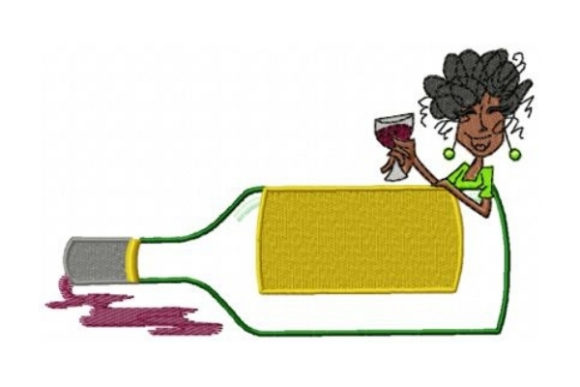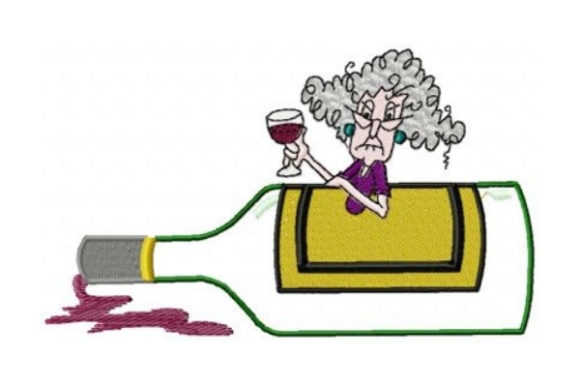
Chianti Bottle: A Designer's Take on Wine-Themed Stitching
When I first pulled up the Chianti Bottle embroidery design on my screen, I immediately felt that familiar spark of recognition. It is one of those files that understands its audience without trying too hard. As a designer who spends hours tweaking digitized files for clients, I appreciate when a machine embroidery design comes ready to work right out of the folder. This specific file captures the essence of Italian wine culture with a playful, approachable vibe that fits perfectly into the current trend of cottage-core and bistro-style aesthetics.
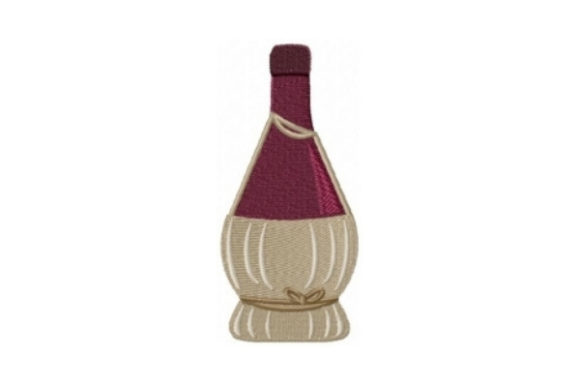
The visual personality of the Chianti Bottle is distinct. It avoids the overly complex shading that often causes registration issues on home machines, opting instead for clean lines and solid blocks of color. The shape is iconic; even at a small scale, the silhouette of the straw-wrapped bottle is instantly recognizable. For an Etsy seller or a craft business owner, this instant recognition is gold. You do not need to explain the product to the customer; the image does the talking. Whether you are creating a personalized gift for a sommelier or stocking a small shop product line for a local vineyard, this design carries enough weight to stand on its own.
Real-World Application: The Tote Bag Test
To truly evaluate an embroidery file, you have to move beyond the digital preview and imagine it on actual fabric. I recently envisioned using the Chianti Bottle for a custom order: a heavy-canvas tote bag intended for a weekend farmers' market vendor selling artisanal goods. In this scenario, the design needed to be durable, visually striking from a distance, and capable of withstanding frequent handling.
The layout of the Chianti Bottle works exceptionally well here. Because the design relies on strong outlines rather than microscopic detail, it translates beautifully onto textured fabrics like canvas or linen. When stitched as a sweatshirt embroidery piece, the design maintains its integrity without getting lost in the fleece pile. I can easily see this becoming a staple for custom apparel lines targeting foodies and wine enthusiasts. The mood it creates is warm and inviting, suggesting a relaxed evening rather than a formal tasting, which broadens its appeal for everyday wearables.
For those running a boutique, this design could easily anchor a collection. Imagine pairing it with script lettering for a "Vino Night" theme on aprons or tea towels. The versatility allows it to function as both a standalone motif and part of a larger composition. As a digital embroidery file, it serves as a reliable asset for creating printable mockups that look professional and enticing to potential buyers.
Technical Considerations for the Serious Maker
While the aesthetic appeal is high, a professional review must address the technical execution. Every embroidery project has its pitfalls, and understanding where the Chianti Bottle might challenge your machine is crucial for a flawless finished product.
First, consider the stitch density. Designs featuring bottles often require careful attention to the label area and the straw wrapping details. If the digitizer has packed too many fill stitch rows into the glass area, you risk puckering, especially on lighter weight fabrics. Before committing to a client's garment, always test the design on scrap fabric of the same weight. This is non-negotiable for maintaining brand consistency and customer trust.
Fabric choice plays a massive role in how this design performs. On dark fabrics, the contrast of the thread colors will make the bottle pop, but you must ensure your underlay is sufficient to prevent the background fabric from showing through the lighter threads. Conversely, on thin or stretchy fabrics, the density of the bottle's body could cause distortion. Using a high-quality cut-away stabilizer is highly recommended for knit garments like t-shirts or baby clothes to ensure the design remains crisp after washing.
Curved surfaces present another challenge. If you plan to use the Chianti Bottle for holiday embroidery on caps or hats, be mindful of the hoop size limitations and the curvature of the brim. Small details, such as the texture of the straw or tiny text elements if included in your customization, may not stitch out clearly on a curved surface. In these cases, simplifying the design or increasing the size slightly can save the project from looking muddy.
Enhancing Value and Visual Appeal
The true value of a design like Chianti Bottle lies in its ability to elevate a simple item into a desirable commodity. For an apparel decorator, the clarity of the stitching directly impacts the perceived quality of the item. A clean, well-defined bottle suggests professionalism, whereas a messy stitch-out can devalue the entire product.
This design excels in creating handmade product appeal. There is a tangible charm to machine embroidery that prints cannot replicate. The texture of the satin stitch borders against the smooth fill of the glass adds a tactile dimension that customers love to touch. This engagement drives sales, whether you are at a craft fair or selling online. When a customer sees the Chianti Bottle on a pillow cover or a kitchen towel, they aren't just seeing a picture of wine; they are seeing a thoughtful, crafted item that fits their lifestyle.
Furthermore, the design supports various thread colors. While traditional Chianti bottles have specific hues, this design likely allows for creative interpretation. You could swap traditional reds and greens for pastels to create a spring-themed baby embroidery item, or use metallic threads for a festive holiday gift. This flexibility makes it a powerful tool in a designer's arsenal, allowing for endless variations without needing new files.
Final Verdict and Best Practices
In summary, the Chianti Bottle is a robust choice for anyone looking to add a touch of viticulture charm to their inventory. It balances cute aesthetics with practical stitchability. However, success depends on preparation. Always check the specific file details provided by the seller, such as the available hoop size options and supported formats, as these were not explicitly detailed in the brief description.
Before launching a full production run, follow these steps:
- Test on Scraps: Run the design on the exact fabric you intend to sell to check for puckering or pull.
- Check Contrast: Ensure your thread choices provide enough contrast against the fabric background for the details to be visible.
- Review Density: Look closely at the fill areas; if they look too dense, consider editing the file if you have the software skills.
- Verify Licensing: Confirm whether the license allows for commercial use if you plan to sell finished items or digital products.
- Mockup Testing: Create black and white mockups to ensure the design holds its shape even without color cues.
Ultimately, the Chianti Bottle offers a delightful blend of style and function. For the creative entrepreneur willing to put in the prep work, it is a design that can anchor a successful product line, bringing joy to wine lovers and adding a professional polish to any handmade creation.