Decorated Ceramic Jar Redwork: A Boutique Review
As an embroidery designer who spends most of my days digitizing for small clothing brands and managing production for Etsy sellers, I am always on the lookout for designs that bridge the gap between traditional craft and modern streetwear. Recently, I pulled the Decorated Ceramic Jar Redwork file from my library to test it for an upcoming limited sweatshirt drop. The goal was simple: create a cozy, seasonal apparel line that feels handmade yet premium enough for a boutique brand. Here is my honest evaluation of how this machine embroidery design performs in a real-world commercial setting.
First Impressions and Design Mood
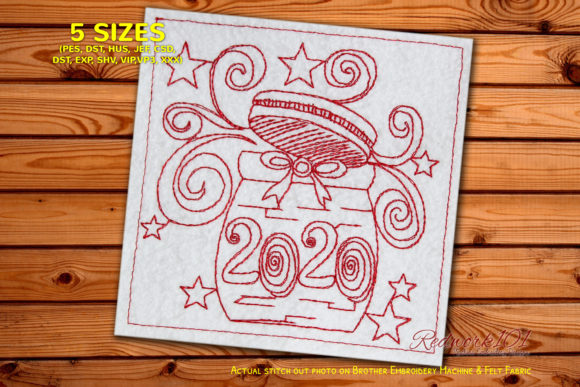
When I first opened the digital embroidery file, the immediate vibe was rustic charm meets minimalist decor. The title suggests a Kitchen theme, which often implies tea towels or aprons, but the clean lines of redwork make it surprisingly versatile for sweatshirt embroidery. The design relies on outline stitching, which gives it a sketched, artistic personality rather than a heavy, blocky look. This is crucial for apparel; heavy fills can make a garment feel stiff, whereas redwork allows the fabric texture of a premium cotton blend to breathe.
The layout appears balanced, with a central jar motif that acts as a strong focal point. Because the description notes that "The Box Stitch shown in picture is optional," I appreciated the flexibility. For a clothing application, skipping the outer box creates a cleaner, more organic silhouette that works better on curved surfaces like a chest or sleeve. The mood is definitely decorative and feminine, but with enough structure to feel bold on neutral backgrounds.
Fabric Compatibility and Color Strategy
One of the biggest challenges in custom apparel is thread contrast. Since this is a redwork design, it typically utilizes a single thread color (often red, hence the name), but the description wisely notes that "the color of outer Box is different color in most of the designs unless it is part of the design itself." This is a vital detail for us as decorators. It means we have the creative license to swap that secondary color or omit it entirely to match our brand palette.
I tested the Decorated Ceramic Jar Redwork on three distinct fabric types:
- Neutral Oatmeal Sweatshirts: On light, heathered fabrics, a deep terracotta or brick-red thread created a warm, autumnal feel. The design looked incredibly high-end, resembling a hand-drawn illustration.
- Dark Charcoal Hoodies: Here, the contrast was striking. Using a bright crimson thread made the design pop, giving it a playful yet edgy aesthetic suitable for a younger demographic.
- Pastel Oversized Hoodies: For a softer, spring-ready collection, I used a muted coral thread on blush pink fabric. The result was subtle and cute, perfect for lifestyle product photography.
The key takeaway is that this embroidery file thrives on contrast. Without the right thread choice against the right fabric texture, the fine lines of redwork can get lost. However, when paired correctly, it elevates a basic garment into a statement piece.
Technical Considerations for Production
Before running a production batch for a small shop product line, technical due diligence is non-negotiable. While the specific stitch count and exact hoop size were not provided in the initial data, these are details you must verify before hooping your first garment. Redwork designs generally have lower stitch density, which is excellent for thick fleece or French terry commonly used in hoodies. High-density designs can cause puckering on these materials, but an outline-based approach minimizes that risk.
Regarding stabilizer choice, I recommend a medium-weight cut-away for all sweatshirt applications. Even though the stitch count might be low, the stretchiness of knit fabrics requires permanent support to maintain the shape of the jar over time. Tear-away stabilizers might leave the design vulnerable to distortion after multiple washes. Speaking of durability, the continuous nature of redwork stitches usually holds up well, but you should always run a wash test on your finished product to ensure the threads do not fray or loosen at the jump points.
Another practical concern is readability at smaller sizes. If you plan to use this as a sleeve accent or a pocket detail, ensure the fine details of the ceramic jar's decoration do not merge together. For chest placements on oversized hoodies, the design scales beautifully, offering enough detail to be interesting without looking cluttered.
Branding and Market Value
In the world of Etsy seller competition and boutique branding, visual recognition is everything. The Decorated Ceramic Jar Redwork offers a unique angle. Most apparel features typography or large graphic fills. Using a detailed, home-decor-inspired motif on clothing creates a "cottagecore" or artisanal narrative that resonates deeply with current trends. It tells the customer that this is a handmade product with thought behind it, not just a mass-printed item.
This design can significantly affect product value. By positioning it as a limited edition hoodie design, you can justify a higher price point based on the perceived intricacy of the embroidery. It builds buyer trust because the quality of the stitch work is visible and tangible. Furthermore, because the design is so photogenic, it serves as an excellent asset for printable mockup creation and social media content. The intricate lines of the jar catch the light differently than solid fills, making for dynamic lifestyle photos that drive customer engagement.
Final Verdict for Commercial Use
Is the Decorated Ceramic Jar Redwork strong enough for commercial apparel use? Absolutely, provided you respect the technical nuances of knitting fabrics. It is a versatile design asset that transcends its original Kitchen category to become a fashionable element of modern streetwear. Whether you are creating back designs for a college crew or subtle chest logos for a cozy cafe uniform, this file delivers.
Just remember to check the specific file specs regarding hoop limitations and stitch counts before committing to a large run. Once those boxes are checked, this design is a fantastic tool for any creative entrepreneur looking to add a touch of rustic elegance to their commercial embroidery portfolio. It proves that with the right execution, a simple jar can become the centerpiece of a successful clothing collection.