Electric Grill Redwork: A Bold Kitchen Statement
As I prepare my booth for the upcoming weekend craft fair, I am constantly evaluating which machine embroidery design will stop a customer in their tracks. My table is packed with potential bestsellers: canvas tote bags, linen aprons, flour sack tea towels, and structured caps. Among the pile of digital files on my tablet, Electric Grill Redwork stands out immediately. This isn't just another floral motif or generic quote; it is a specific, character-driven piece that speaks directly to a niche audience. When reviewing this file for production, my first impression is that it strikes a perfect balance between rustic charm and modern utility. The redwork style, traditionally known for its single-color outline stitching, gives the electric grill a vintage, hand-drawn aesthetic that feels incredibly popular in today's farmhouse and retro-kitchen trends.
Visual Impact and Market Appeal
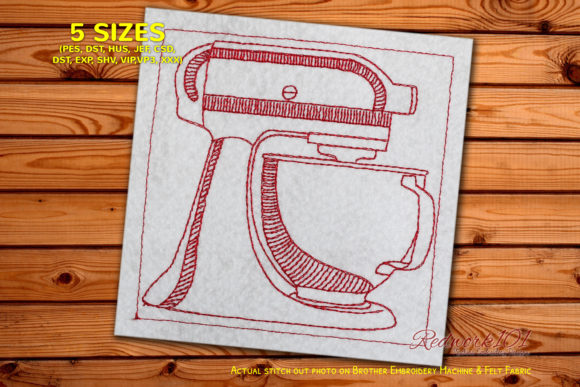
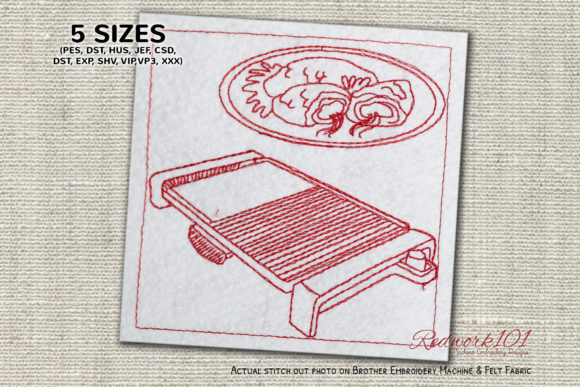
The strength of Electric Grill Redwork lies in its simplicity. In a crowded marketplace where buyers are overwhelmed by busy patterns, a clean, bold line drawing cuts through the noise. The design feels decorative yet functional, making it an ideal candidate for a wide range of handmade product categories. For the Etsy seller or boutique maker, visual clarity is everything. This design photographs exceptionally well because the high contrast of the red thread against neutral fabrics creates a striking image for online listings and printable mockup galleries. It does not get lost in shadows or fabric texture, ensuring that the finished product looks as good on a smartphone screen as it does in person.
When considering where this design shines brightest, the kitchen category is the obvious winner. However, it is versatile enough to cross over into outdoor living and gifting. On a heavy-duty canvas tote bag design, the electric grill motif suggests a love for tailgating, camping, or backyard entertaining. It transforms a simple bag into a conversation starter. Similarly, as apron embroidery, it adds a touch of personality to a chef's uniform, appealing to the home cook who takes their grilling seriously. The "redwork" aspect allows it to feel less like a corporate logo and more like a piece of folk art, which significantly increases its perceived value as a small shop product.
Production Practicality for Craft Fairs
From a production standpoint, time is money, especially when preparing for a high-volume event like a craft fair. Electric Grill Redwork appears to be highly efficient for batch production. Because redwork designs typically utilize running stitches with minimal fill, they consume less thread and stitch out faster than dense satin column designs. This speed allows me to churn out multiple units—whether they are embroidered patch applications or direct-to-garment stitches—without tying up my machine for hours. The lack of complex fill areas also means there is less risk of thread breaks or bird nests, which is crucial when trying to meet a deadline for a booth display.
However, every designer must exercise caution. While the design is generally straightforward, the description notes that "The Box Stitch shown in picture is optional." This is a critical detail for customization. If I am stitching onto a dark fabric, skipping the outer box might be necessary to prevent the design from looking cluttered, or conversely, changing the box color could make it pop. The description also mentions that the color of the outer box varies in different versions. As a professional, I must verify the specific embroidery file I purchased to ensure the color stops are programmed correctly for my intended thread palette. Relying on the default settings without checking could result in a mismatched look that detracts from the brand consistency of my booth.
Navigating Fabric Textures and Hoop Constraints
One of the biggest challenges in commercial embroidery is adapting a single design to various materials. Electric Grill Redwork needs to be tested on scrap fabric before committing to final inventory. For instance, stitching on a textured waffle-weave tea towel embroidery project requires a different approach than stitching on a smooth cotton pillow cover. The running stitches of a redwork design can sometimes sink into lofty or highly textured fabrics, causing the lines to look broken or uneven. To combat this, using a cut-away stabilizer rather than a tear-away might be necessary to provide a firm foundation, ensuring the lines of the grill remain crisp and defined.
Furthermore, the size of the design relative to the hoop size is paramount. If I intend to use this as a small accent on a cap or a pocket, I need to confirm that the fine details of the grill knobs or lid handle do not disappear at a reduced scale. Small lettering or tiny structural elements often lose clarity when scaled down below a certain threshold. It is advisable to stitch a test sample at the smallest intended size to inspect the stitch density and spacing. If the lines are too close together, they may merge, turning a detailed illustration into a muddy blob. For curved surfaces like baseball caps, the design should be centered carefully to avoid distortion caused by the seam or the curve of the crown.
Maximizing Sales Through Strategic Placement
To maximize sales, I would position items featuring Electric Grill Redwork near the front of my booth display. The universal recognition of a barbecue grill evokes feelings of summer, food, and gathering, which are powerful emotional triggers for buyers. Pairing this design with complementary items creates a cohesive collection. Imagine a set including an apron, a matching oven mitt, and a tote bag, all featuring the same grill motif. This encourages customers to buy multiple items as a gift set, increasing the average transaction value. For the digital embroidery file seller, offering this design as part of a "Grilling Season" bundle could drive significant downloads from other makers looking to expand their own product lines.
It is also essential to consider the licensing terms before selling. The note regarding the optional box stitch implies there are variations in the file. Before listing these items as craft fair product inventory or uploading photos to an online store, I must confirm the commercial licensing agreement attached to the purchase. Some designers allow unlimited physical sales but restrict digital redistribution, while others may have limits on the number of finished goods. Ensuring compliance protects my business reputation and avoids legal issues down the road.
Ultimately, Electric Grill Redwork is a strong contender for any maker focusing on kitchen and lifestyle goods. Its blend of nostalgic style and clear imagery makes it a versatile asset. By paying attention to fabric choices, stabilizer selection, and scale, this design can be transformed from a simple digital asset into a standout physical product that resonates with customers and drives sales at the next market event.