Teddy Bear Applique: A Pro Review for Small Business Merch
As an embroidery designer who has spent years digitizing and stitching for commercial clients, I approach every new machine embroidery design with a critical eye. It is not just about whether the image looks cute on a screen; it is about how that digital embroidery file translates into a tangible asset for a brand. Today, I am reviewing the Teddy Bear Applique, a design that holds significant potential for small business owners, boutique operators, and apparel decorators looking to add a touch of warmth to their merchandise.
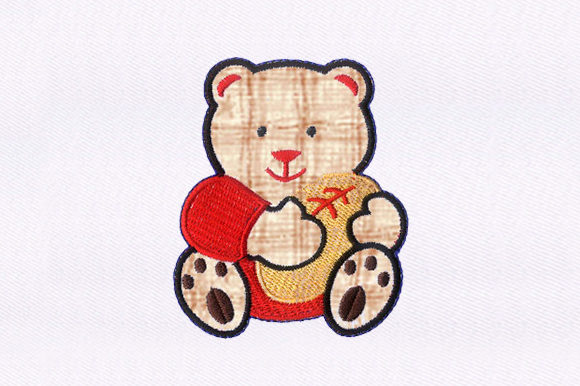
The first impression of this design is undeniably friendly and approachable. In the world of branding, especially for bakeries, florists, pet brands, and creative studios, the psychological impact of a mascot or logo cannot be overstated. This Teddy Bears themed artwork strikes a balance between playful and classic. It does not scream "children's toy" exclusively; rather, it offers a rustic, handmade aesthetic that aligns perfectly with the current trend of artisanal goods. For a café wanting to brand their barista aprons or a boutique selling handmade baby items, this visual personality builds immediate trust and recognition.
Real-World Application for Commercial Embroidery
When evaluating the Teddy Bear Applique for business use, we must look beyond the screen and imagine the finished product. The specifications list a hoop size of 4×4 inches, with actual dimensions of approximately 3.17 inches in width and 3.83 inches in height. This footprint is the sweet spot for versatility. It is large enough to serve as a primary logo on a tote bag but compact enough to function as a chest accent on a work shirt or a sleeve detail on a uniform.
Consider a local bakery. Using this design as an embroidered patch sewn onto canvas aprons creates a cohesive team look that feels premium rather than corporate. The appliqué style suggests texture and depth, which elevates the perceived value of the uniform. Similarly, for an Etsy seller creating custom gift sets, this design could be stitched directly onto packaging accents or included as a branded add-on to increase customer engagement. The stitch count of 6692 is moderate; it provides enough detail to be recognizable without becoming so dense that it stiffens the fabric excessively, a common pitfall in commercial embroidery.
For cap embroidery, this design requires careful placement. While the width fits most standard front panels, the height of nearly 3.83 inches might push the limits on structured low-profile caps. However, on unstructured beanies or trucker hats, it would sit beautifully as a central focal point. The key here is understanding your substrate. On a thick twill cap, the layers of the appliqué will add bulk, so testing is essential before committing to a large production run.
Navigating Technical Challenges and Fabric Textures
No design is without its challenges, and a professional review must address where caution is needed. The Teddy Bear Applique relies on the interplay of fabric texture and thread. Because it is an appliqué, you are introducing a new layer of material. This means your choice of stabilizer is critical. For stretchy fabrics like jersey knits used in t-shirts, a cut-away stabilizer is non-negotiable to prevent distortion over time. For woven items like tote bags or denim jackets, a tear-away might suffice, but the weight of the appliqué fabric itself acts as additional stabilization.
One area requiring scrutiny is the edge finishing. With 6692 stitches, the satin or zigzag border enclosing the appliqué fabric must be tight and consistent. If you are stitching this on dark uniforms, ensure your thread colors provide sufficient contrast. A common mistake in custom apparel is choosing threads that blend too much with the base fabric, causing the design to get lost. Always create a printable mockup or a physical sample in black and white first to check the silhouette integrity. If the design loses its shape when viewed from a distance, it may need color adjustments or a different backing fabric.
Furthermore, consider the washability. Items like aprons and staff shirts undergo frequent laundering. The density of the stitches and the adhesion of the appliqué fabric must withstand industrial washing. I recommend advising clients to wash-test a sample piece. If the edges begin to fray or the fabric puckers after three cycles, you may need to adjust your tension or switch to a higher quality appliqué fabric.
Enhancing Brand Identity and Customer Trust
Why choose this specific design over a generic clipart conversion? The answer lies in brand identity. A professionally digitized embroidery file like this one signals attention to detail. When a customer receives a tote bag or a hat with crisp, clean stitching, it reinforces the idea that the business cares about quality. This visual consistency across all design assets—from the website to the physical merchandise—builds buyer engagement.
For handmade brands, the "crafted" look of an appliqué is invaluable. It mirrors the handmade nature of the products they sell. Whether it is a pet brand adding this bear to a dog bandana or a florist using it on a delivery driver's polo, the design acts as a silent ambassador for the company. It humanizes the brand. In a market saturated with cheap, heat-pressed vinyl logos, raised embroidery with fabric layers stands out as a marker of authenticity and durability.
Professional Designer Notes for Production
Before you load this file into your machine for a client order, there are several practical steps to take. First, verify the file format compatibility. This design comes in a wide array of formats including DST, PES, EXP, and JEF, ensuring it works with most major machine brands like Brother, Tajima, and Janome. However, always confirm that the specific version you download matches your machine's firmware requirements.
- Test on Real Fabric: Never skip the stitch-out test. Use the exact fabric weight and type intended for the final product.
- Check Hoop Size: Ensure your hoop can accommodate the 80.5×97.2 mm design area without hitting the frame edges, especially if using a magnetic hoop system.
- Thread Contrast: Experiment with thread colors. Sometimes a tonal look is elegant, but for branding, high contrast often yields better visibility.
- Licensing Verification: Before selling merchandise featuring this Teddy Bear Applique, confirm the commercial licensing terms. Ensure you have the right to sell finished goods, not just use them internally.
- Mockup Approval: Present a digital or physical mockup to your client. Seeing the scale on a real garment prevents misunderstandings about size and placement.
In conclusion, the Teddy Bear Applique is a robust option for small business merchandising. Its dimensions make it adaptable for patches, caps, and apparel, while its aesthetic supports a warm, trustworthy brand image. By paying attention to stabilizer choices, fabric textures, and proper testing protocols, embroidery professionals can leverage this design to create high-value small business merch that resonates with customers. It is more than just a picture of a bear; it is a strategic tool for branding when executed with precision.