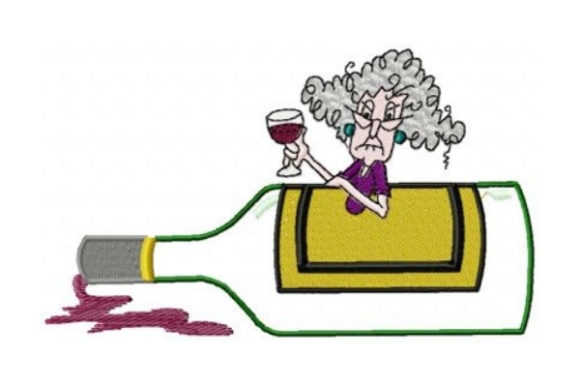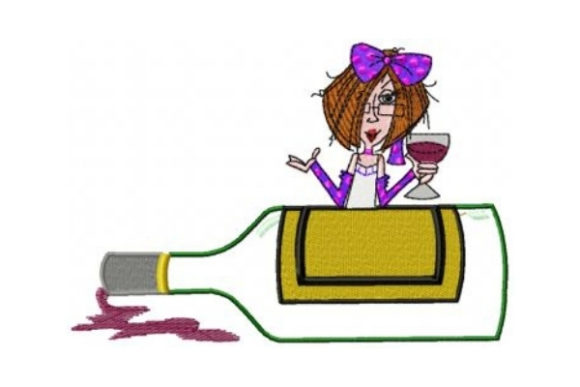
Wine: A Stylish Embroidery Design for Modern Crafters
As a designer who spends more time at the hoop than away from it, I approach every new machine embroidery design with a mix of excitement and skepticism. We have all downloaded files that look stunning on the screen but turn into a bird's nest of thread breaks and puckering once the needle hits the fabric. Today, I am taking a close look at the Wine embroidery design. This isn't just a quick glance at a thumbnail; this is an evaluation of how this asset holds up when you are trying to create a sellable handmade product or a meaningful personalized gift.
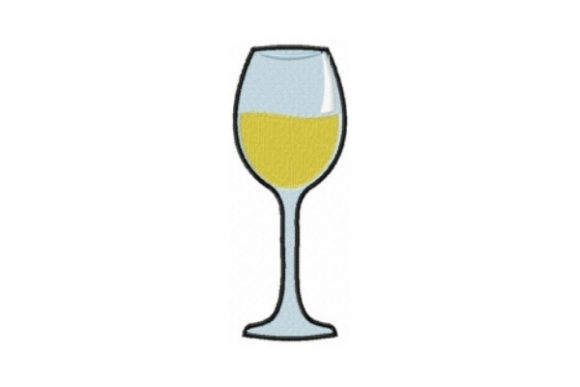
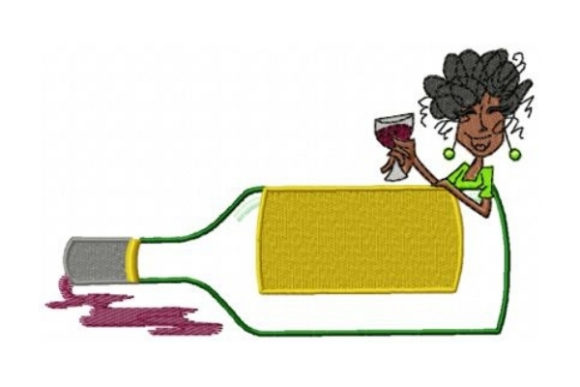
The first impression of Wine is one of relaxed sophistication. In a market saturated with overly complex vines and realistic grape clusters that demand thousands of stitches, this design offers a refreshing simplicity. It captures the essence of wine culture without screaming for attention. The layout feels balanced, suggesting a visual personality that fits comfortably in both rustic farmhouse decor and modern boutique apparel. For an Etsy seller or a small shop owner, this versatility is gold. You aren't locked into a single niche; you can pivot your inventory based on seasonal trends.
Real-World Application: The Tote Bag Test
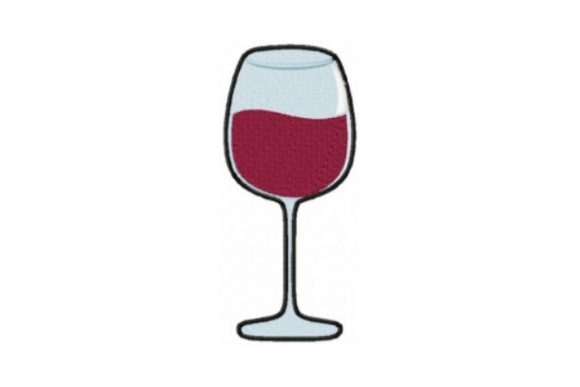
To truly understand the value of an embroidery file, you have to imagine it on a physical object. I immediately pictured this design stitched onto a heavy canvas tote bag design. Imagine a local vineyard tour or a weekend farmers' market scenario. A customer grabs a natural-colored canvas bag, and there it is: the Wine motif, stitched cleanly in a deep merlot or burgundy thread. Because the design appears to avoid excessive density, it sits flat against the fabric rather than creating a stiff, cardboard-like patch. This is crucial for items that need to be folded or carried frequently.
Beyond bags, consider sweatshirt embroidery. The casual nature of this theme pairs perfectly with French terry or fleece. If you are running a craft business focused on bachelorette parties or girls' night out merchandise, this design is a ready-made solution. It works as a left-chest logo for a subtle look or scaled up for a bold back print. The key here is how the design handles the texture of the garment. Unlike intricate applique design options that might require tedious cutting and layering, this looks like a standard stitch-out that respects the drape of the clothing.
Navigating Fabric Challenges and Stitch Types
While the aesthetic appeal is high, practical execution requires attention to detail. When working with any digital embroidery file, understanding the stitch types is essential. Based on the visual structure of Wine, it likely utilizes a combination of satin stitch for outlines and definition, paired with fill stitch for any solid areas. If the design includes fine lines, those will be running stitch.
Here is where your expertise as a decorator comes in. If you are stitching this on a stretchy fabric like a t-shirt or a baby onesie for baby embroidery projects, stitch density becomes your primary concern. High-density fills can cause lightweight fabrics to pucker or tear over time. Before committing to a final finished product, always test the design on scrap fabric similar to your final material. Check if the design pulls the fabric inward. If it does, you may need to adjust your tension or switch to a heavier cut-away stabilizer to provide adequate support.
Textured fabrics present another variable. Towels, waffle weaves, or rough linen can sometimes hide small details. Since Wine seems to rely on clean shapes rather than microscopic detailing, it should perform well on textured surfaces like kitchen towels or aprons. However, always verify the smallest elements. If there are tiny gaps between color sections, ensure they are wide enough to prevent thread bridging on high-pile fabrics.
Commercial Viability and Brand Consistency
For commercial entrepreneurs, consistency is trust. If you are selling custom apparel or small shop product lines, your customers expect professional results every time. The Wine design offers a level of polish that elevates perceived value. A well-executed embroidery job signals quality, allowing you to price your items higher than a basic screen-printed alternative.
Think about holiday embroidery or wedding gifts. A set of napkins or a pillow cover featuring this motif makes for an elegant hostess gift. The neutral yet thematic nature of the design means it doesn't clash with existing home decor, making it a safe bet for gifting. Furthermore, for those creating printable mockup assets or digital previews for their online stores, this design photographs well. Its clear lines and distinct shape translate effectively into marketing images, helping to drive buyer engagement before the item is even made.
Critical Designer Notes for Success
Before you load this file into your machine, keep these practical steps in mind to ensure the best outcome:
- Check Thread Contrast: While the default colors might be traditional reds and greens, experiment with monochromatic schemes. A white-on-white or gold-on-navy version of Wine could offer a luxury feel for high-end boutique branding.
- Verify Hoop Size: Ensure the design fits within your available hoop size. If you plan to embroider on curved surfaces like caps or hats, confirm that the design dimensions allow for proper placement without hitting the seam or brim.
- Inspect Small Details: Zoom in on the digital preview. Look for potential jump stitches that might need trimming or areas where satin columns might be too wide, which can lead to looping.
- Test on Dark Fabrics: If the design is intended for dark garments, check if it includes an underlay or if you need to manually add one to prevent the fabric color from showing through the stitches.
- Review Licensing Terms: Always confirm the license before selling. Some design assets are for personal use only, while others allow for unlimited commercial sales of physical goods. Never assume; read the terms provided with the download.
Ultimately, the Wine embroidery design stands out as a reliable tool for creators. It bridges the gap between hobbyist fun and professional utility. Whether you are decorating a pillow cover for your own living room or producing a batch of branded merchandise for a local winery, this file offers the flexibility needed to succeed. By respecting the limitations of your materials and applying sound stitching techniques, you can transform this digital pattern into a tangible asset that delights customers and enhances your portfolio. Remember, the best designs are the ones that make your workflow smoother and your final results sharper, and Wine certainly has the potential to do just that.