Showcasing Biker: A Pro Review for Branded Merch
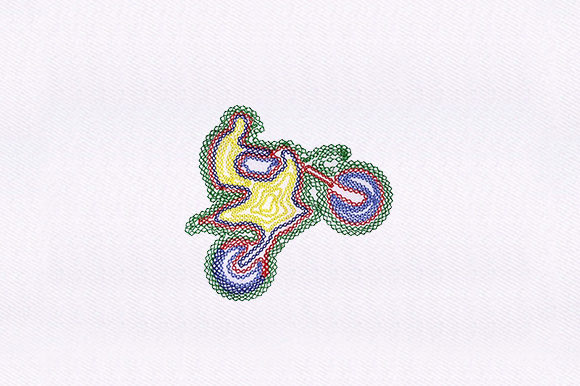
As an embroidery designer who has spent years digitizing and stitching for small businesses, I approach every new machine embroidery design with a critical eye. It is not just about whether the image looks cute on a screen; it is about how that digital embroidery file translates into a tangible asset that builds brand identity. Today, I am reviewing Showcasing Biker, a design categorized under Sports, to determine its viability for commercial use in boutiques, cafes, and handmade product lines.
My first impression of Showcasing Biker is that it carries a bold, rugged personality. The title suggests movement and freedom, traits that can be incredibly powerful when adapted for a small business context. While the "Biker" theme might initially seem niche, the underlying aesthetic often translates well into a vintage or industrial-chic style that is currently trending in custom apparel and lifestyle branding. For a coffee shop looking for a rustic vibe or a pet brand wanting to project durability, this design offers a strong visual hook. However, the transition from a sports-themed graphic to a versatile business logo requires careful consideration of scale and placement.
Real-World Application for Small Business Merch
The true test of any embroidery file is its versatility across different products. Showcasing Biker shines when applied to items that benefit from a statement piece. Imagine a local bakery using this design not as a literal motorcycle logo, but as a stylized emblem on a heavy canvas apron embroidery project. The bold lines can withstand the wear and tear of a professional kitchen while adding a touch of personality that sets the staff apart from generic uniforms.
For Etsy sellers and crafters, this design is an excellent candidate for embroidered patch production. Patches are a low-risk, high-reward product for small businesses. You can stitch Showcasing Biker onto twill or felt backing and sell them as add-ons for jackets, backpacks, or tote bags. Because the design likely features distinct shapes, it creates a recognizable mark that customers can associate with your brand without needing to read tiny text. Furthermore, applying this to a tote bag design adds immediate value to a simple canvas bag, turning a basic grocery carrier into a piece of small business merch that customers actually want to carry around town.
In the realm of cap embroidery, this design could serve as a striking front-panel accent. Caps are often the first item a customer buys to show support for a brand. If the design elements are simplified correctly, Showcasing Biker can look premium on a structured twill cap, appealing to a demographic that values authenticity and edge. It also works well as a sleeve detail on work shirts, providing a subtle nod to the brand's personality without overwhelming the garment.
Technical Considerations and Placement Challenges
While the artistic potential is high, we must address the technical realities of running Showcasing Biker on a commercial machine. One of the primary concerns with designs in the Sports category is stitch density. Action-oriented designs sometimes rely on dense satin columns or complex fill patterns to create depth. If you are stitching this onto a textured fabric like a rough linen tote or a pique polo, high density can cause puckering or fabric distortion. It is crucial to inspect the file's pull compensation before running a full batch.
Size is another critical factor. If you intend to use Showcasing Biker for small product labels or tiny chest logos, you must verify if the details hold up at reduced scales. Intricate outlines that look sharp at four inches may merge into a blob at one inch. Always request a printable mockup or run a test stitch-out on scrap fabric identical to your final product. Additionally, curved surfaces like the front of a baseball cap require a design that flows with the curve; if Showcasing Biker has rigid horizontal lines, it might appear distorted once stitched onto a domed hat.
Color contrast is vital for visibility. If your business uniforms are dark navy or black, ensure the thread colors specified in the design provide enough pop. You may need to edit the color sequence in your embroidery software to swap out dark threads for metallics or brights that enhance readability. Remember, the goal is instant recognition, so the design must stand out against the fabric texture of the garment.
Elevating Brand Identity and Customer Trust
Using a cohesive set of design assets like Showcasing Biker across your product line significantly boosts perceived value. When a customer sees the same high-quality emblem on your apron, your packaging tag, and your social media posts, it creates a sense of professionalism and stability. This visual consistency fosters trust. A sloppy or poorly stitched logo can make a handmade product feel cheap, whereas a crisp, well-executed embroidery signals that the business owner cares about quality.
For creative studios and florists, adopting a biker-inspired aesthetic can be a unique differentiator. It breaks the mold of the typical "soft and floral" branding, attracting a diverse customer base that appreciates grit and authenticity. This distinctiveness drives buyer engagement. People love to wear and use items that tell a story or represent a specific tribe. By integrating Showcasing Biker into your finished product lineup, you are not just selling an item; you are selling an affiliation with a cool, confident lifestyle.
Professional Designer Notes for Production
Before committing to a large production run with Showcasing Biker, I recommend following these practical steps to ensure success:
- Test in Black and White: Stitch the design using only black thread on white fabric (and vice versa) to check the integrity of the shapes without the distraction of color.
- Verify Hoop Size: Confirm that the design fits within your available hoop size limits, especially if you are working with smaller machines or specific garment areas like pockets.
- Check File Compatibility: This design comes in multiple formats including DST, PES, EXP, and JEF. Ensure you select the correct embroidery file format for your specific machine model to avoid read errors.
- Stabilizer Selection: Choose the right stabilizer for your fabric. Cut-away stabilizer is often best for stretchy fabrics like t-shirts, while tear-away works for stable wovens like denim or canvas.
- Review Licensing: Always confirm the commercial licensing terms before using Showcasing Biker for client work or resale items. Ensure you have the rights to sell the embroidered patch or finished goods.
- Create Mockups: Generate a printable mockup to show clients how the design will look on their specific apparel before stitching begins.
In conclusion, Showcasing Biker is a robust option for businesses looking to inject some energy and character into their merchandise. Whether used for commercial embroidery projects, staff uniforms, or retail patches, its success lies in thoughtful application. By respecting the technical limitations and leveraging its bold aesthetic, small business owners can turn this single design into a cornerstone of their brand's visual identity.